How Digital Nomads Build Stable Friendships in a New City
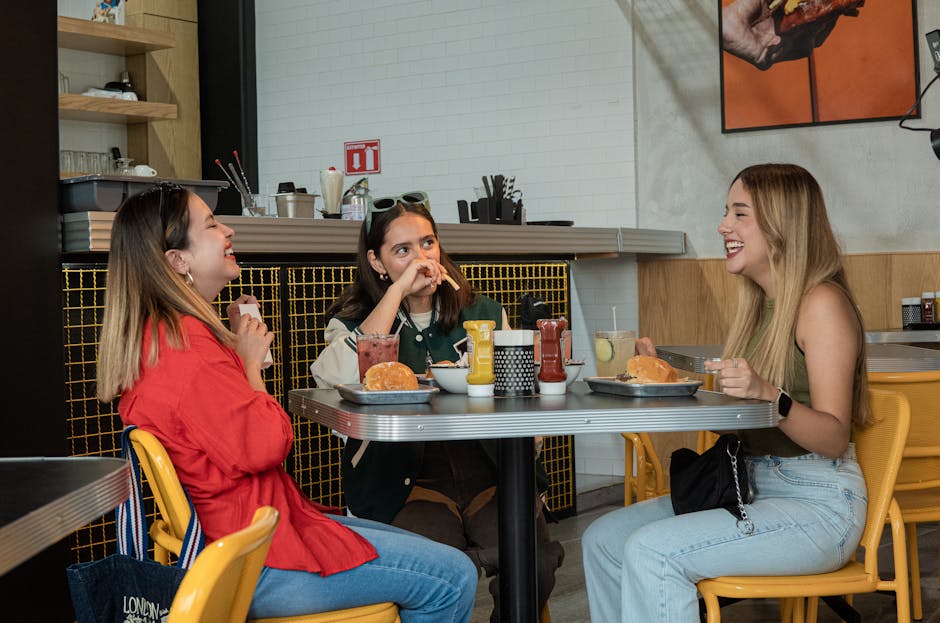
Landing in a new city as a digital nomad can feel like opening a fresh browser tab: exciting, clean, and slightly empty. You might have a flexible schedule, a coworking pass, a list of coffee shops, and a few saved places from Instagram. But after the first week in New York, London, Berlin, Amsterdam, Sydney, Singapore, or Tokyo, one question usually gets louder: how do you build stable friendships when everyone seems to be arriving, leaving, dating, networking, or just passing through? Digital nomad friendships are not impossible. They just need a different system than casual travel socializing.
The biggest mistake is treating connection like a calendar filler. A Tuesday language exchange, a Thursday rooftop mixer, a Saturday meetup, a random Bumble BFF chat, and then nothing repeats. You collect names, not relationships. Stable connection comes from repeated context, shared rituals, and low-pressure follow-up. In other words, you need a social operating system: a few places, a few people, and a few habits that make it easy to see the same faces again without making friendship feel like a job interview.
Why Nomad Friendships Often Stay Shallow
Digital nomads are especially vulnerable to “high-volume, low-depth” social lives. You meet ten people in a week, but no one becomes part of your normal rhythm. Part of the problem is mobility. Someone is leaving for Lisbon next month, someone is flying to Bali, someone is in town only for a conference, and someone is available only when their U.S. clients are asleep. The other problem is format. Big events can be fun, but they often reward quick introductions over real conversation. You talk about where you’re from, what you do, how long you’re staying, and then repeat the same script with the next person.

Stable friendships usually form in smaller containers. A brunch table of five people creates a different energy than a room of eighty. You can remember details. You can ask better questions. You notice who is thoughtful, funny, curious, or consistent. This is why curated small-group formats, recurring coworking circles, book clubs, run clubs, creative workshops, and weekend brunches often work better than one-off parties. The goal is not to meet everyone. The goal is to meet a few people well enough that a second meeting feels natural.
- One-off contact: You exchange names, handles, and maybe a “let’s grab coffee sometime” that never happens.
- Weak connection: You recognize each other at events and occasionally reply to stories.
- Emerging friendship: You meet again within two weeks and start sharing real context, not just bio facts.
- Stable connection: You have a repeatable reason to see each other: brunch, gym, coworking, Sunday walk, film night, or a regular dinner.
Build a Social Stack, Not a Social Sprint
A reliable social life in a new city works like a stack. You need more than one channel, but not ten. Start with three layers: a daily layer, a weekly layer, and a deeper layer. Your daily layer is where you become familiar: the same cafe, coworking space, gym class, dog-friendly park, or neighborhood bakery. Your weekly layer is where conversation happens: brunch, a small-group dinner, a board game night, a creative class, a climbing session, or a Sunday football watch party during NFL season. Your deeper layer is where trust forms: one-on-one coffee, a museum visit, helping someone move apartments, cooking together, or inviting people to a Christmas market, Pride event, Thanksgiving-style potluck, or weekend day trip.

Think in weeks, not nights. In week one, choose your base places. In week two, return to the same places at the same times. In week three, invite one or two people into a repeatable plan. This matters because people trust patterns. If you keep appearing in the same community spaces, you become less of a stranger. You also reduce the emotional pressure of every interaction. Instead of thinking, “I must make a best friend tonight,” you can think, “I’m becoming part of the city’s weekly rhythm.”
- Pick one anchor neighborhood. Even if you explore widely, choose a core area where you work, exercise, and socialize.
- Choose two repeatable third places. Examples: a modern coffee shop on weekday mornings and a casual brunch spot on weekends.
- Join one structured group. Look for attendance consistency, not just size. Small groups beat giant crowds when your goal is friendship.
- Create one recurring invitation. “I’m doing Saturday brunch at 11. Want to join?” is easier than “We should hang out sometime.”
- Protect your energy. Stable connection needs consistency, but burnout kills follow-through. Two quality plans per week is enough.
Use the 48-Hour Follow-Up Rule
Most potential friendships die in the gap after a good first conversation. You had a great chat with someone at brunch, a coworking table, a gallery opening, or a small dinner. Then three weeks pass. By the time you message, the warmth is gone. Use the 48-hour rule: if you genuinely enjoyed someone, send a simple follow-up within two days. Keep it specific, light, and easy to answer. Mention something you discussed, then suggest a concrete next step. This is not needy. It is social clarity.

Good follow-up sounds like this: “Loved talking about remote work routines yesterday. I’m trying that coffee place you mentioned on Wednesday morning if you want to join.” Or: “You said you were curious about the photography exhibit. I’m going Saturday afternoon if you’re around.” Notice the structure: memory, plan, low pressure. Avoid vague lines like “Let’s hang soon” unless you already have a close relationship. For digital nomads, specificity is kindness. People are juggling time zones, client calls, travel logistics, and social fatigue. Make the next step obvious.
- After a first meeting: suggest something short, public, and easy: coffee, brunch, a walk, a market, or a coworking session.
- After a second meeting: introduce continuity: “Want to make this a weekly Friday coffee?”
- After a third meeting: widen the circle: invite them to bring a friend or join a small group plan.
- If they do not reply: do not overinterpret. One follow-up is enough. Stable friendships need mutual effort.
Choose Events That Create Continuity
Not every social app or event format is designed for real connection. Some are built for swiping, some for networking, some for ticket sales, and some for entertainment. If your goal is digital nomad friendships, evaluate events by continuity. Will you meet people who are likely to be in the city for more than one weekend? Is the group small enough for actual conversation? Is there a shared activity beyond standing around? Does the format make it normal to follow up? A $15 coffee meetup with eight compatible people can be more valuable than a $70 party where you leave with three random Instagram handles.
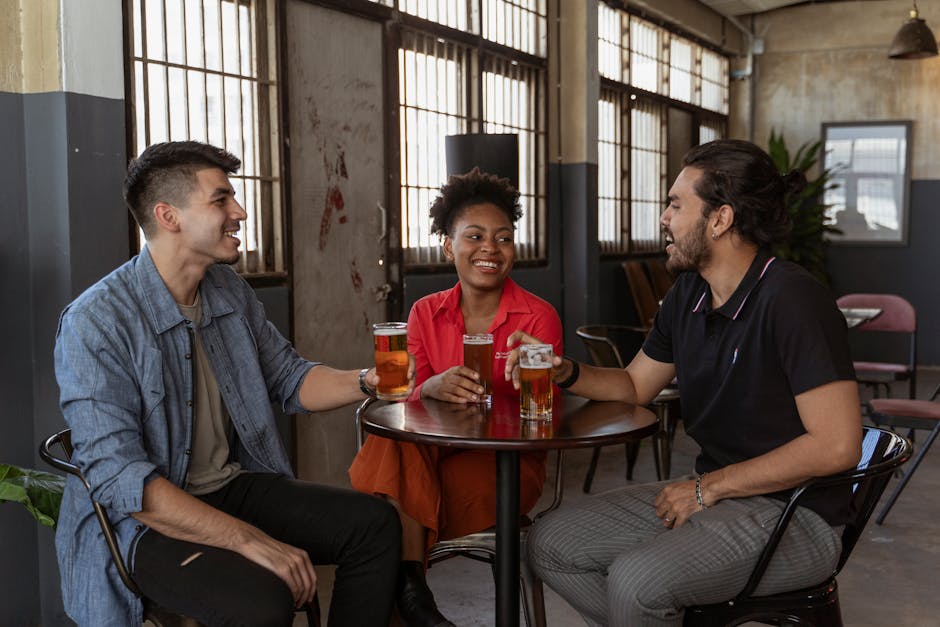
This is where The Weekend Club fits naturally for expats, freelancers, nomads, and creatives who want offline connection without the awkwardness of starting from zero. Instead of endless swiping or oversized meetups, the platform uses AI to curate small brunch groups so you can meet five new people every weekend, offline, in a setting where conversation has room to breathe. It is a human-centered alternative to dating-style apps and event feeds because the point is not to perform, pitch, or impress. The point is to sit down, share a meal, and see who you would genuinely like to meet again.
- Look for small groups: four to eight people is often the sweet spot for remembering names and stories.
- Prioritize shared context: remote work, creative projects, expat life, fitness, books, food, or neighborhood routines.
- Avoid pure randomness: diversity is good, but total mismatch makes follow-up harder.
- Check the repeat potential: the best event is not just fun once; it makes a second plan easy.
- Notice the vibe: low-pressure formats work better for introverts and people tired of networking energy.
Turn a New City Into a Real Community
To build stable connections, act less like a tourist and more like a temporary local. Learn the city’s social rhythms. In London, people may plan further ahead and meet around pubs, galleries, or Sunday roasts. In Berlin or Amsterdam, recurring clubs, outdoor hangs, and creative communities matter. In New York, the pace is fast, but repeated neighborhood routines can cut through the noise. In Sydney, weekend outdoor plans can become social anchors. In Singapore and Tokyo, consistency, respect for schedules, and small-group trust can go a long way. The details change, but the principle stays the same: show up repeatedly, contribute, and make it easy for people to include you.
Also, balance nomad friends with locally rooted friends. Other remote workers understand your lifestyle, but locals and long-term residents give you continuity, cultural context, and a reason to care about the city beyond productivity and rent. Ask people about their favorite low-key places, not just famous attractions. Offer value without making everything transactional: share a useful workspace, invite someone to a relaxed brunch, organize a small potluck, or connect two people who should know each other. Community forms when you stop asking, “Who can I meet?” and start asking, “What can I help repeat?”
FAQ
- How long does it take to build real friendships as a digital nomad? Expect four to eight weeks to build early stability if you show up consistently. You can meet people in a weekend, but trust usually needs repeated contact, shared plans, and small moments of reliability.
- What is the best way to avoid only meeting other short-term travelers? Choose recurring local formats: coworking communities, neighborhood fitness groups, creative classes, volunteer projects, supper clubs, and curated brunch groups. Ask people how long they have been in the city, but do it naturally, not like a screening interview.
- Are friendship apps useful for digital nomads? Yes, if they lead to offline, repeatable connection. Apps that only create chats can become another inbox. Formats like The Weekend Club are useful because they move you into small in-person groups, where follow-up feels more natural.
Digital nomad life does not have to mean a trail of temporary conversations. If you want stable friendships in a new city, design for repetition: the same places, the same weekly rituals, the same kind of people, and a clear next step after every good interaction. Meet fewer people more intentionally. Follow up faster. Choose small-group experiences over endless social browsing. That is how a new city starts to feel less like a stopover and more like a place where you belong.