Community Classes vs Brunch Meetups: Learn Skills or Build a Life?
If you are new to New York, London, Berlin, Amsterdam, Sydney, Singapore, or Tokyo, you have probably asked a simple question with no simple answer: should I join a community class to meet people, or should I go to a brunch gathering and start building a social circle? Both options promise offline socializing. Both can work. But they create very different kinds of connections. Community classes are built around learning. Brunch meetups are built around conversation, shared time, and social chemistry.
For expats, freelancers, remote workers, and digital nomads, the difference matters. You may not need another app full of endless swiping. You may need people who can become part of your weekly life: someone to grab coffee with, visit a Christmas market with, watch the Super Bowl with, attend Pride events with, or simply message on a slow Sunday. This guide compares learning-based social events with meal-based small group gatherings so you can decide whether your current priority is skill growth, digital nomad friendships, or a real local rhythm.
The core difference: shared activity vs shared attention
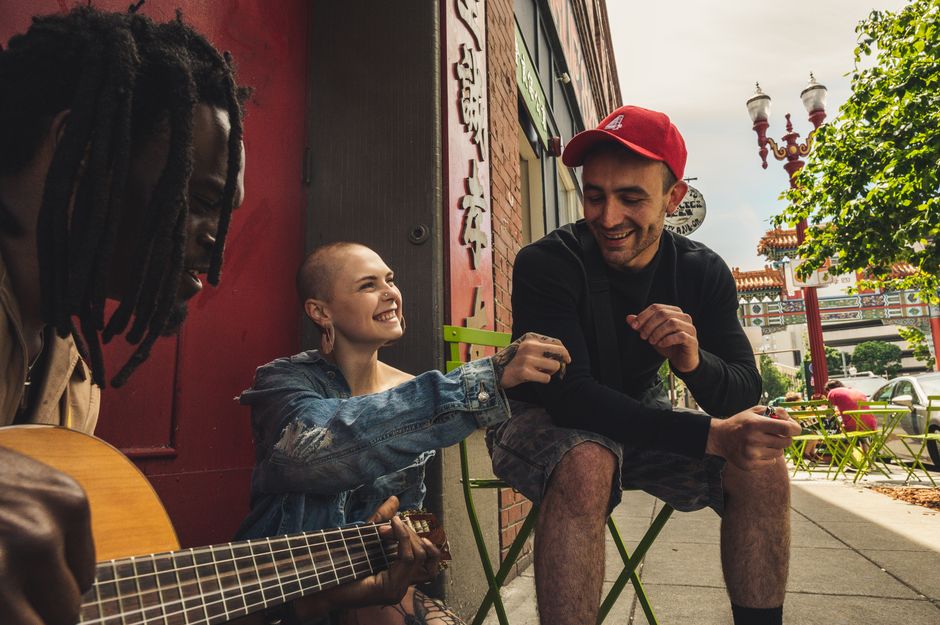
A community class gives you a structured reason to show up. It might be a ceramics course, a cooking workshop, a language exchange, a photography walk, a salsa class, a startup bootcamp, or a writing group. You are there to improve at something. The social layer is real, but it is usually secondary. Conversation happens before class, during breaks, while pairing up, or after the session when people decide whether to continue elsewhere.

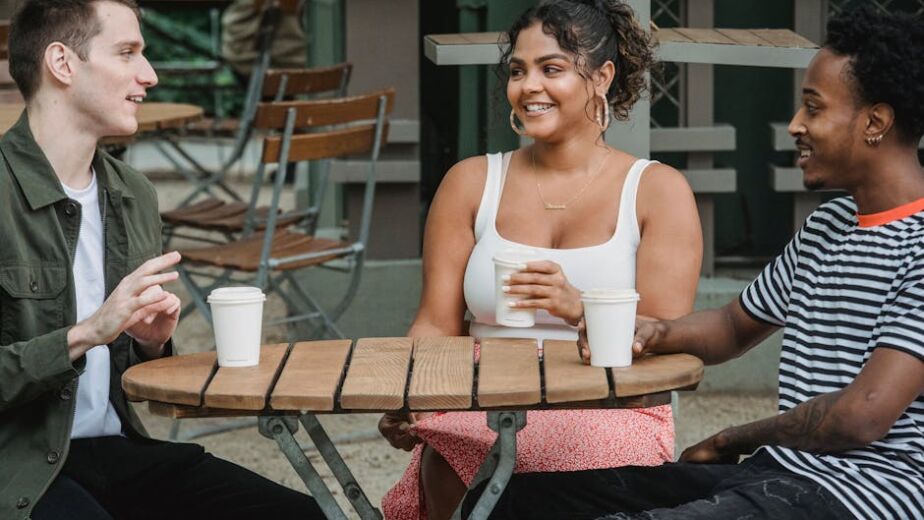
A brunch gathering reverses the order. You are not pretending to be busy while secretly hoping to meet people. You are there to talk, listen, eat, and see whether the group has energy. In a well-designed brunch format, the table itself is the activity. Coffee culture, weekend timing, and casual food make the setting easy to enter. You do not need to be good at pottery, fluent in Spanish, or confident on a dance floor. You only need to be open enough to join a human conversation.
This is why the question is not which format is objectively better. It is whether you want a skill container with social upside, or a social container with lifestyle upside. Community classes help when you want competence, repetition, and a shared challenge. Brunch meetups help when you want faster personal context, warmer conversation, and a group that may become part of your weekend routine.
Community classes: the strengths and limits of learning-based socializing
Making friends through community classes works because repeated exposure reduces awkwardness. If you see the same eight people every Wednesday for six weeks, you do not have to force instant intimacy. You can start with practical comments: the recipe, the assignment, the instructor, the music, the next session. This is especially useful for introverts, people recovering from app fatigue, or anyone who dislikes walking into a room where social performance feels like the only goal.
The biggest strength is continuity. A class has a calendar. You know when you will meet again. That lowers the pressure of getting contact details immediately. It also gives you a shared identity: classmates, teammates, workshop participants. In adult friendships, this matters because most people do not lack kindness; they lack recurring proximity. A six-week class can create that proximity better than a single party.
- Best for: people who want to learn something while keeping social expectations low.
- Good formats: language classes, dance courses, cooking workshops, creative writing groups, climbing lessons, photography walks, improv classes, and founder or freelancer workshops.
- Typical cost: often USD 25 to 80 per session, with higher prices for specialist skills or multi-week programs. In Europe, you may see EUR 20 to 70; in the UK, GBP 20 to 60; in Australia, AUD 35 to 100.
- Social speed: medium to slow. You may need two to four sessions before people feel familiar.
The limit is that learning can crowd out connection. In a serious course, people may focus on the instructor, their laptop, their canvas, their recipe, or their technique. You can leave with a new skill but without learning anything personal about the person next to you. If the class is large, people may split into pairs or arrive and leave quickly. If the skill level varies too much, the room can feel more like school than friendship.

There is also a subtle social filter. Classes attract people with a specific interest and enough free time or money to attend. That can be helpful if you want friends who share your hobbies. But it can also narrow the room. You might meet ten people who all like design software, but none who want to build a broader weekend life. If your goal is adult friendships, not just a better portfolio or stronger backhand, you have to turn class familiarity into real follow-up.
Brunch meetups: why meal-based small group gatherings feel different
Brunch is not magic, but it has a strong social design. It happens during the day, usually on weekends, when people are less guarded than on a weeknight after work. It is public, comfortable, and culturally familiar across many global cities. It does not carry the same pressure as nightlife, dating, or networking drinks. You can talk about work, travel, music, film, neighborhood finds, coffee preferences, remote work routines, or where to go next without feeling like you are pitching yourself.
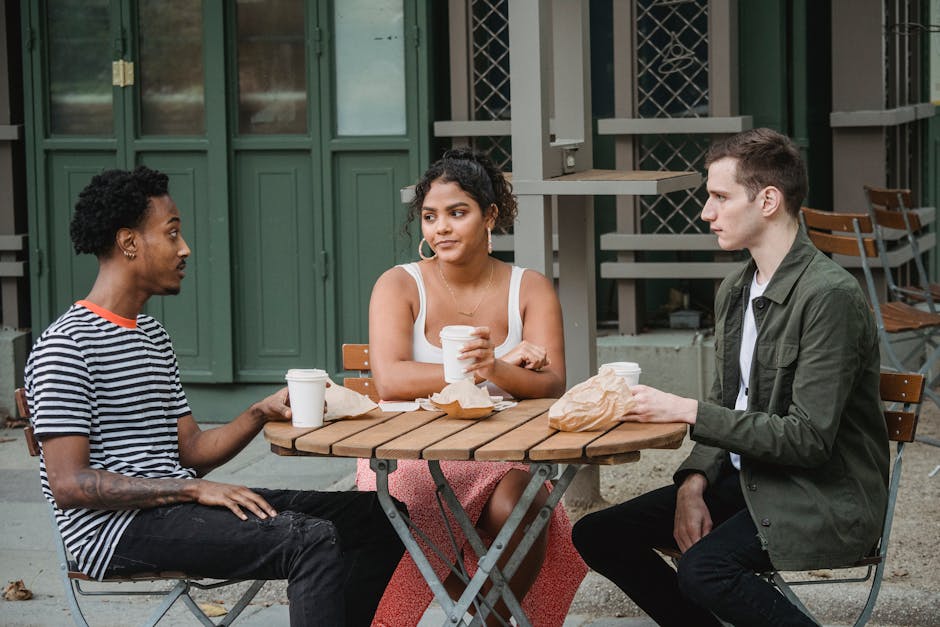
Small group gatherings are especially useful because they remove the binary pressure of one-on-one meetings. In a group of five or six, conversation can move. You can speak, pause, listen, laugh, and re-enter naturally. If you do not click with one person, you may click with another. If you are tired, the group carries some of the energy. This is why curated brunch formats can feel more human-centered than swipe-based apps: the point is not to rank profiles, but to create enough shared presence for real chemistry to appear.
- Best for: expats, nomads, remote workers, freelancers, and creatives who want a social circle rather than another hobby commitment.
- Good formats: curated brunch tables, coffee walks, neighborhood cafe meetups, Sunday lunch groups, and small weekend gatherings with light prompts.
- Typical cost: often the price of food and coffee plus any event fee. A casual brunch may land around USD 20 to 45 in many cities, more in premium venues.
- Social speed: faster. You can learn a lot about someone in 90 minutes when the main activity is conversation.
The limit is that brunch meetups depend heavily on curation. A random table can be fun, but it can also become uneven: one person dominates, two people already know each other, or everyone is polite but no one shares a rhythm. Good brunch design matters. Group size, arrival flow, conversation prompts, venue noise, and post-event follow-up all affect whether people leave with contacts or just a pleasant memory.
This is where platforms such as The Weekend Club are trying to solve a specific problem: not more matches, but better offline context. For people tired of Tinder, Bumble, Hinge, or purely online chat groups, a curated brunch can offer a lower-pressure alternative. The value is not only meeting five new people. It is meeting them at a time, place, and group size where adult friendships have a realistic chance to begin.
How to choose: skill, friendship, or lifestyle fit?
Before you book anything, be honest about the job you are hiring the event to do. If your main goal is to learn, choose a class and treat friendship as a bonus. If your main goal is to build a life in a city, choose brunch or another conversation-first format. If you want both, combine them intentionally rather than expecting one event to solve everything.
Choose a community class when you want structured repetition
A class is the better option when you are willing to show up several times. It suits people who prefer side-by-side interaction over direct face-to-face conversation. Cooking, climbing, drawing, or language practice gives your brain something to do while trust develops. This can be ideal if you are new to offline socializing after years of remote work, or if you find open-ended meetups too vague.
Choose brunch when you need social momentum now
A brunch meetup is better when you want to quickly understand who is around you. It is useful after relocation, a breakup, a job change, a long travel stretch, or the realization that your closest friends are all in different time zones. You can walk in without buying equipment, committing to a six-week schedule, or pretending you care deeply about a skill you picked only because you were lonely.
- If you feel socially rusty: start with a small group brunch. The format gives you multiple entry points.
- If you want a new hobby: start with a class. You will leave with progress even if no friendship forms.
- If you are an expat staying six months or more: do both. Use brunch for quick social roots and classes for deeper repetition.
- If you are a digital nomad in a city for two to eight weeks: prioritize brunch, coffee meetups, and other short-cycle gatherings.
- If you already have acquaintances but no close circle: choose formats with follow-up potential, not just one-off entertainment.
Think in terms of lifestyle fit, not personality labels. Introverts can enjoy brunch if the group is small and the table is calm. Extroverts can enjoy classes if the activity is collaborative. Remote workers may need daytime human contact more than another evening event. Creatives may prefer unstructured conversation because ideas travel through stories. The best format is the one you will actually attend more than once.
Budget also matters. A premium workshop may be worth it if you genuinely want the skill. But if you are mainly paying to access people, ask whether a lower-cost brunch, coffee walk, or community meal would do the job better. On the other hand, a cheap random meetup can become expensive in emotional energy if it leaves you drained every time. The true cost is not only money; it is attention, recovery time, and the opportunity to meet a better-fit group.
How to turn either format into real adult friendships
The event is only the opening scene. Adult friendships usually grow through small, repeated, low-pressure invitations. Whether you meet someone in a class or at brunch, the next step should be specific enough to act on and casual enough to accept. Do not say, let us hang out sometime, and expect momentum. Say, I am trying that new coffee place near the station on Saturday morning if you want to join. Specific beats enthusiastic.
- Use the 24-hour follow-up: message within a day while the memory is fresh. Keep it simple: Great meeting you today. I liked our conversation about remote work setups.
- Anchor the next invite to shared context: mention the class project, the cafe, the neighborhood, a film, a market, a gallery, or a brunch topic.
- Move from group to micro-group: invite two or three people before trying a one-on-one plan. This keeps pressure low.
- Create a repeatable ritual: Saturday coffee, Sunday brunch, Wednesday climbing, Friday gallery hour, or monthly dinner.
- Watch for reciprocity: good friendships do not require equal texting style, but they do need some mutual effort.
For community classes, the best move is to extend the class naturally. Ask if anyone wants coffee after the session, practice before next week, or share resources in a small chat. For brunch, the best move is to create a second gathering quickly. If the table had good energy, suggest a follow-up while everyone still remembers why they clicked. The bridge from offline exchange to real friendship is not intensity. It is continuity.

Also, accept that not every pleasant conversation needs to become a close bond. A healthy social life has layers: familiar faces, activity friends, brunch friends, work-adjacent friends, and the few people who become your real inner circle. The goal is not to force every meeting into a best-friend storyline. The goal is to create enough offline opportunities that the right connections can repeat.
FAQ
Are community classes better than brunch meetups for making friends?
Community classes are better for repeated exposure and shared hobbies. Brunch meetups are better for direct conversation and faster social warmth. If you want to learn a skill, choose a class. If you want to build a social circle in a new city, start with a small group brunch and add classes later.
What is the best group size for low-pressure offline socializing?
For most adults, five to seven people is a strong range. It is small enough for everyone to speak, but not so small that one quiet moment feels awkward. This is why small group gatherings often work better than large parties for expats, nomads, and remote workers who want real conversations.
How many events should I try before deciding a format is not for me?
Try at least three. One event can be affected by weather, venue noise, group mix, or your own mood. After three attempts, patterns become clearer. If classes leave you skilled but socially unchanged, add brunch. If brunch feels fun but scattered, add a recurring class or hobby group for continuity.
The practical verdict
If you are choosing between community classes and brunch meetups, do not frame it as learning versus socializing. Frame it as sequence. A brunch gathering can help you find people faster. A class can help you see people repeatedly. Brunch is often the better first move when you are new, lonely, or rebuilding your routine. Classes are powerful once you know what kind of people, hobbies, and weekly rhythm you want more of.
For digital nomad friendships, expat life, and adult friendships in global cities, the strongest strategy is usually hybrid. Use curated brunches to create social momentum. Use classes to deepen identity and repetition. Keep the group sizes small, the invitations specific, and the follow-up human. Skills are valuable. But a livable city is not built from skills alone. It is built from the people you can text on a weekend and actually meet offline.