Group Brunch vs One-on-One Meetups: Which Is Better for Low-Pressure Socializing?
If you’ve moved to New York, London, Berlin, Amsterdam, Sydney, Singapore, or Tokyo, you already know the strange modern problem: you can be surrounded by millions of people and still have no easy way to meet someone for a normal weekend conversation. Dating apps create romantic pressure. Networking events feel transactional. Group chats go quiet. A one-on-one coffee can feel too intense before you know whether there’s any real chemistry. That’s why small group gatherings, especially curated brunches, have become a more practical option for expats, remote workers, freelancers, digital nomads, and creatives who want adult friendships without turning every new interaction into a performance.
This guide compares group brunches and one-on-one meetups through one specific lens: low-pressure socializing. Not which one is “better” in every situation, but which one helps you meet new people offline with less awkwardness, less emotional labor, and more room for natural connection. If you’ve been searching for a human-centered alternative to swipe culture, this comparison will help you choose the right format for your next weekend.
Why One-on-One Meetups Often Feel More Intense Than Expected
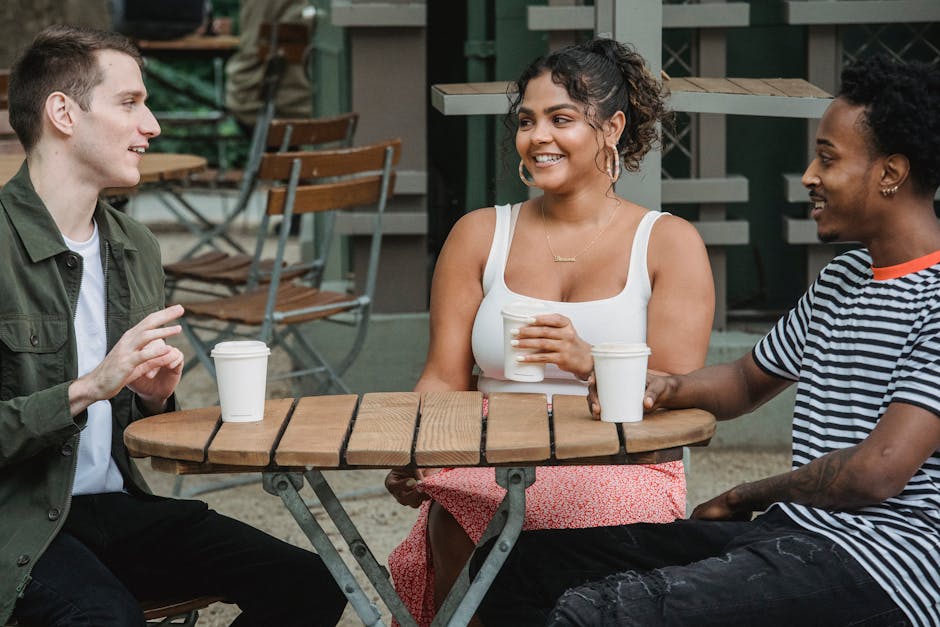
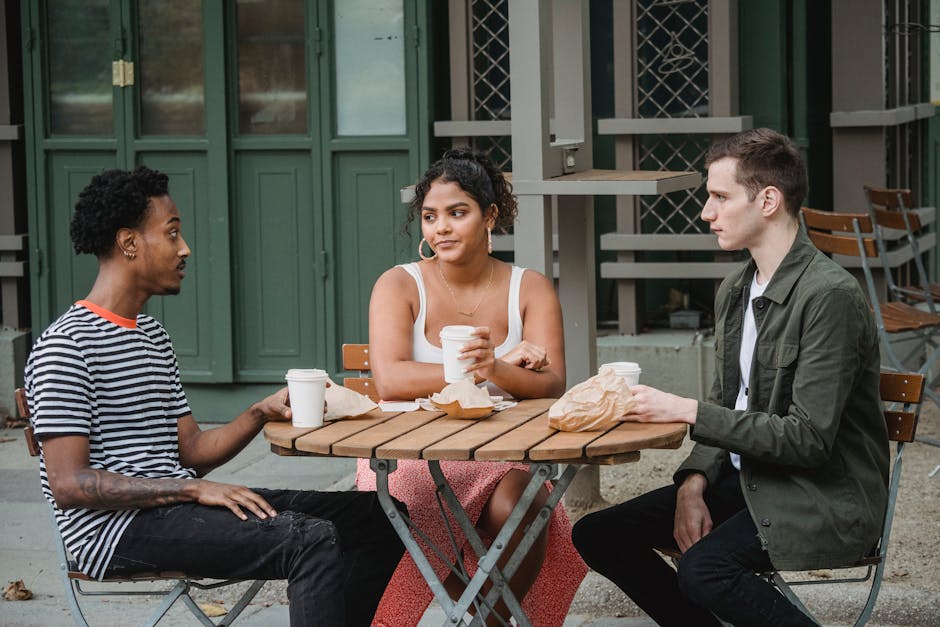
A one-on-one meetup sounds simple: two people, one coffee, maybe 60 minutes. In theory, it’s efficient. In practice, it can feel like an interview, a first date, or a vibe check with no escape hatch. When there are only two people at the table, every silence becomes visible. Every topic choice carries more weight. If the conversation slows down, both people feel responsible for fixing it. That pressure is one reason many adults delay meeting new people offline, even when they genuinely want more friends.
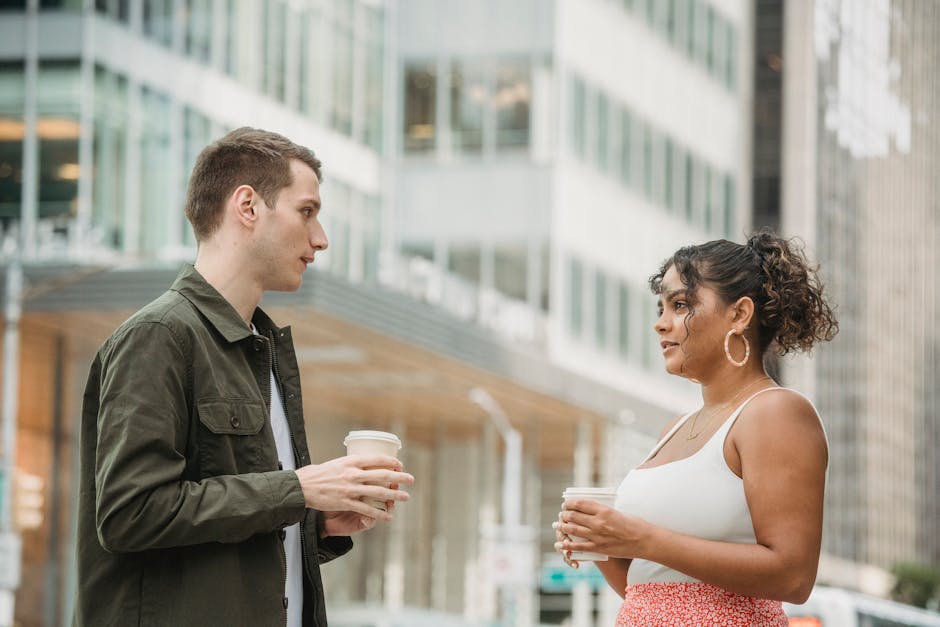
For digital natives, this contrast can feel especially sharp. Online, you can pause before replying, send a meme, react with an emoji, or leave a message unread until you have energy. Offline, the rhythm is immediate. In a one-on-one setting, you can’t easily step back, listen to another conversation, or let the group carry the moment. If you’re introverted, socially rusty after remote work, new to a city, or still learning local social norms, that can make a casual coffee feel surprisingly high-stakes.
One-on-one meetings also create faster interpretation. Was this a friend coffee, a date, a networking chat, or a language exchange? In cities with strong app cultures, like New York or London, even neutral meetups can inherit the emotional code of Tinder, Bumble, or Hinge. People may overthink the invitation, the location, who pays, how long to stay, and whether to follow up. The smaller the setting, the more each signal seems to matter.
Why Group Brunch Can Lower the Social Pressure
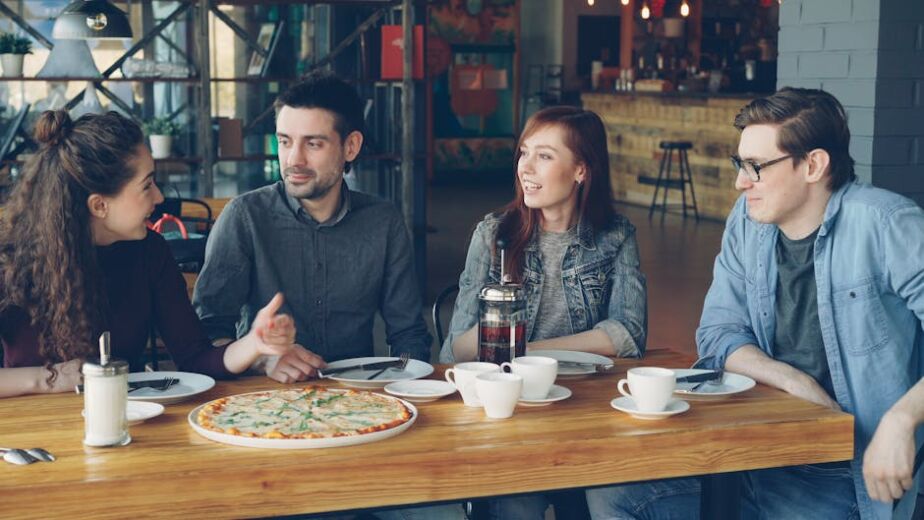
Group brunch works differently because the social responsibility is distributed. You’re not carrying the whole conversation alone. If you don’t click deeply with one person, you can still enjoy the table. If you need a minute to warm up, you can listen before jumping in. If someone tells a story about a Christmas market in Berlin, a Super Bowl party in New York, a Pride weekend in Amsterdam, or a beach morning in Sydney, the conversation can branch naturally. This is why small group gatherings often feel more forgiving than one-on-one meetups.
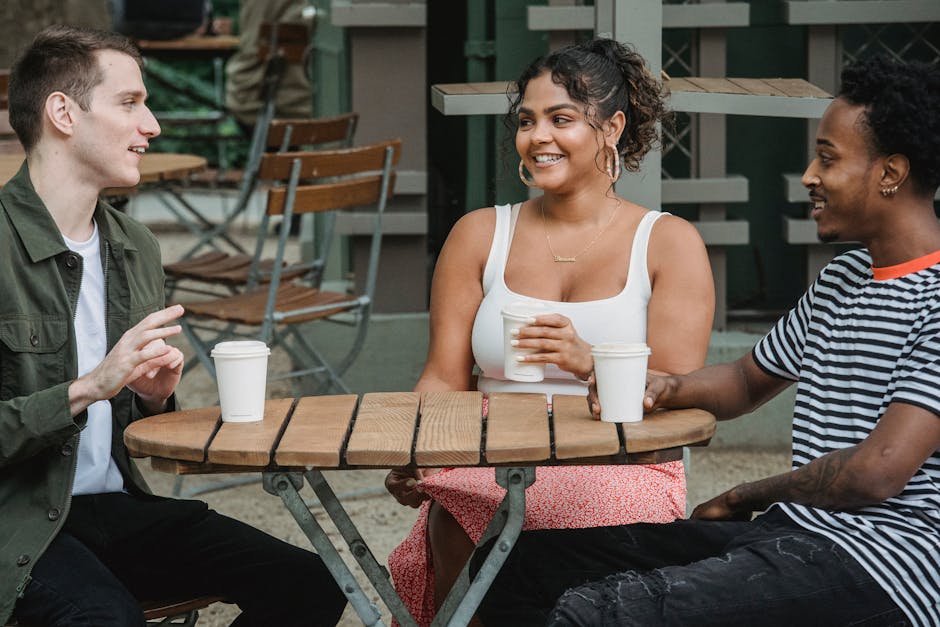
Brunch is also a useful social container. It has a clear beginning, a clear end, and a familiar script: arrive, order coffee, talk, eat, maybe exchange contacts, then continue with your weekend. That structure reduces uncertainty. Unlike a loud party, a brunch table gives people enough time to hear each other. Unlike a formal networking breakfast, it doesn’t require a pitch. Unlike a date, it doesn’t put romantic compatibility at the center. The focus is simply: meet a few good people offline and see what feels easy.
The ideal size matters. A group of five or six is usually large enough to prevent awkward pressure, but small enough for real conversation. At that size, people can split into mini-conversations and return to the full table. No one disappears into a crowd, and no one has to perform for a room. This is the social sweet spot The Weekend Club is designed around: meet five new people every weekend, offline, through curated brunch events shaped by AI matching and a human-centered experience.
Group Brunch vs One-on-One: A Practical Comparison
The best way to compare the two formats is to look at what actually happens before, during, and after the meetup. Low-pressure socializing is not just about personality. It’s also about design. A well-designed setting gives people simple roles, shared context, and enough options to recover from awkward moments.
1. Conversation flow
In a one-on-one meetup, the conversation usually follows a direct back-and-forth pattern. That can be great when both people are curious, present, and similarly paced. It can also become draining if one person talks too much, gives short answers, or turns the chat into career interrogation. In a group brunch, the flow is more flexible. You can ask a question, respond to someone else, laugh at a side comment, or pause without making the entire table stop.
2. Emotional risk
One-on-one meetups ask for more emotional investment upfront. You’ve chosen one person and set aside time for them. If it doesn’t work, the disappointment can feel personal, even when nobody did anything wrong. A group brunch spreads that risk. You might have an excellent conversation with one person, a light exchange with another, and a useful city tip from someone else. The outcome doesn’t depend on a single connection.
3. Safety and comfort
For many people, especially women, LGBTQ+ travelers, solo expats, and anyone new to a city, group settings can feel safer than meeting a stranger one-on-one. Public brunch venues, daytime timing, and a curated guest list all help create a more comfortable first interaction. This doesn’t remove the need for basic safety habits, but it does reduce the intensity of meeting someone unknown in a private or ambiguous context.

4. Time efficiency
A one-on-one coffee might take 90 minutes including travel and waiting. If you meet one person and the energy is flat, that’s your entire social slot. A group brunch gives you multiple introductions in the same window. For remote workers who protect weekends carefully, and for digital nomads who may only be in a city for a few weeks, this efficiency matters. You can learn who lives nearby, who shares your work rhythm, who likes galleries or running clubs, and who might be open to meeting again.
5. Follow-up potential
One-on-one meetups can create strong follow-up when the match is good. The next step is obvious: message that person. Group brunch creates a wider network effect. You might follow up with one person for coffee, two people for a coworking session, or the whole table for a casual walk. The best adult friendships often start this way: not as one dramatic instant bond, but as repeated low-pressure contact after a good first shared experience.
Which Format Fits You Best?
Choose a one-on-one meetup when you already have a strong reason to believe the conversation will work. Maybe you’ve met briefly at a coworking space, talked after a creative event, or been introduced by a trusted friend. One-on-one is also better when the topic is specific: asking for career advice, planning a collaboration, practicing a language, or catching up with someone you already know. The format is powerful when there’s enough trust or context to support it.
Choose a group brunch when you want to expand your circle without overcommitting emotionally. It’s especially useful if you’re new in town, tired of dating-app energy, rebuilding your social life after a move, or working remotely and missing casual office-adjacent conversation. It also works well if you don’t yet know what kind of friend you’re looking for. Sometimes you think you want another founder friend, but you end up clicking with a designer, teacher, photographer, product manager, or fellow nomad who simply shares your pace of life.
Group brunch is also a better entry point if you want to avoid the “friendship audition” feeling. Adult friendships are rarely built from one perfect meeting. They grow through repeated proof of ease: someone shows up, listens well, remembers a detail, suggests something simple, and follows through. A brunch table gives more people a chance to demonstrate those small signals without forcing instant closeness.
How to Make Either Format Feel Lower Pressure
Whatever format you choose, the goal is not to become a flawless social performer. The goal is to design the interaction so that normal humans can relax. Start by choosing a clear setting. Daytime coffee, brunch, a museum cafe, a public market, or a casual walk all work better than vague plans like “let’s hang sometime.” Clear plans reduce hidden negotiation.

Second, use lightweight conversation prompts. Good low-pressure questions are specific but not invasive. Try: “What’s been your favorite weekend discovery in this city?” “Are you more of a coffee walk person or a long brunch person?” “What’s a small routine that makes remote work feel less lonely?” “Have you found any good third places here?” These questions invite stories without demanding vulnerability too early.
Third, keep the first meeting time-bounded. A 75 to 90 minute brunch is usually enough. If the energy is great, people can continue. If not, the structure gives everyone a graceful exit. This is one reason brunch is so effective: it’s social, but it doesn’t consume the whole day. You can meet people at 11:00, still go to the gym, call family, visit a gallery, or finish your weekend errands.
Fourth, make follow-up easy and specific. Instead of “we should hang out,” try “I’m going to that photography exhibit next Saturday if anyone wants to join,” or “I usually work from a cafe on Wednesday morning; happy to share the spot.” Adult friendship grows when the next step is small enough to accept. Low-pressure follow-up matters as much as low-pressure first meetings.
- If you are socially anxious: start with a group brunch, arrive on time, and prepare two simple questions.
- If you are new to a city: choose small group gatherings where people share your stage of life, not just your industry.
- If you are tired of apps: move offline sooner, but use curated formats instead of random plans.
- If you clicked with someone in a group: suggest a one-on-one follow-up with a clear activity.
- If you are a digital nomad: prioritize repeatable rituals, such as Sunday brunch or weekday coworking, over one-off events.
FAQ: Group Brunch, One-on-One Meetups, and Low-Pressure Friendship
Is group brunch better than one-on-one for introverts?
Often, yes. A small group can reduce the pressure to constantly speak because the conversation is shared. The key is group size. A table of five or six is usually better than a huge event because it allows you to participate without being swallowed by the crowd. Introverts often do well when the setting is structured, warm, and not too loud.
Can real friendships start from a single brunch?
A single brunch can start the connection, but friendship usually needs repetition. The best outcome of a first brunch is not instant best-friend energy. It’s enough comfort to meet again. If you leave with one person you’d like to see for coffee, a group chat that feels alive, or a plan for another weekend activity, that’s a strong result.
Is one-on-one still useful after meeting in a group?
Yes. In fact, that’s often the best sequence: group first, one-on-one second. The group setting lowers the initial risk and gives you shared context. If you naturally connect with someone, a later one-on-one coffee feels less like an audition and more like continuing a conversation that already started.
The Low-Pressure Answer: Start Small, Shared, and Offline
If your goal is to meet new people with less pressure, group brunch has a clear advantage as a first step. It reduces awkward silence, spreads emotional risk, supports safer public interaction, and gives you multiple chances for connection in one weekend. One-on-one meetups are still valuable, but they work best after some trust or shared context already exists.
For expats, nomads, freelancers, remote workers, and creatives, the deeper issue is not a lack of people. It’s a lack of good social design. The Weekend Club exists for that gap: an AI social brunch platform that helps you meet five new people every weekend, offline, in a setting that feels human rather than performative. If dating apps feel too loaded and random meetups feel too chaotic, a curated brunch may be the lower-pressure middle path your social life needs.