
AI Matching vs Random Meetups: What Actually Improves Offline Social Quality?
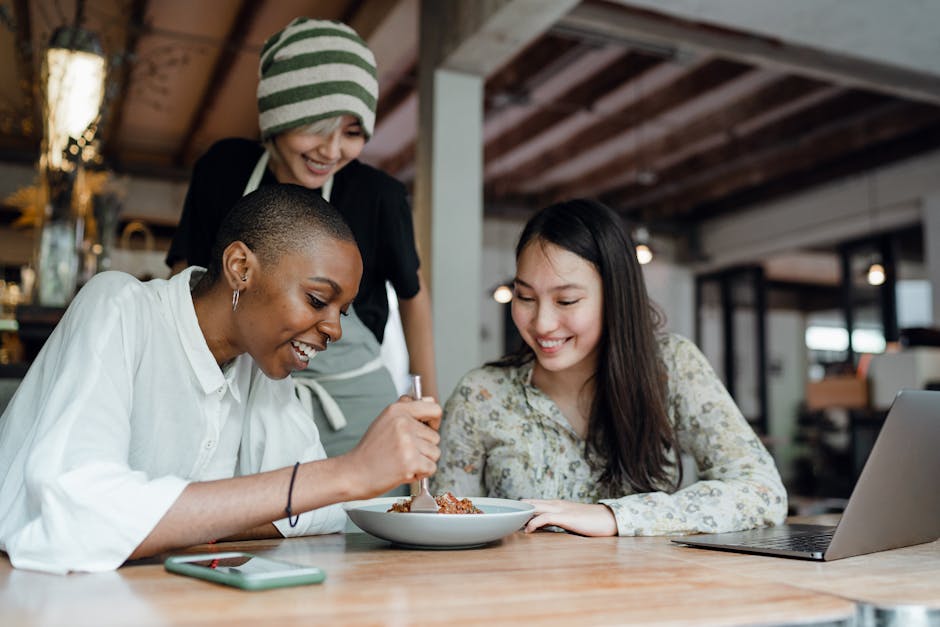
If you’ve moved to New York, London, Berlin, Amsterdam, Sydney, Singapore, or Tokyo, you already know the paradox: there are thousands of people around you, but finding the right five people to share brunch with can still feel hard. Random meetups promise easy access. You show up, grab a drink, and see what happens. AI matching promises something different: a smaller, curated offline experience where your interests, life stage, availability, and social goals shape who sits at the table. The difference matters because adult friendships don’t usually form from exposure alone. They form when timing, context, compatibility, and follow-up all line up. That is why the question is not simply whether artificial intelligence matchmaking is more modern than random gatherings. The real question is whether AI matching can improve offline social quality without making human connection feel engineered.
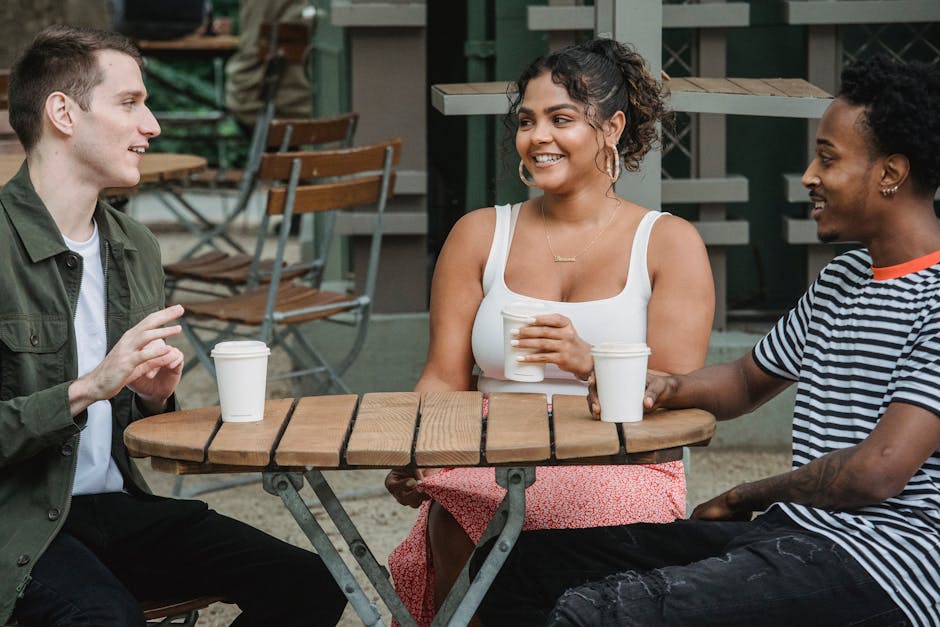
At The Weekend Club, the core idea is simple: meet five new people every weekend, offline, in a human-centered way. It is not a dating swipe loop and not a giant networking mixer. It sits between the algorithmic world of Tinder, Bumble, Hinge, and the open-ended world of random social events. For expats, remote workers, freelancers, creatives, and digital nomads, this middle path can be useful. You may want friends, not leads. You may want warmth, not performance. You may want a low-pressure Saturday brunch instead of a loud Friday bar crawl. This article compares AI-powered friend matching and random meetups across the things that actually affect friendship quality: group design, safety, conversation depth, inclusion, repetition, and what happens after the first event.
What “random meetup” and “AI matching” really mean
A random meetup is usually built around a broad theme: newcomers in the city, language exchange, tech drinks, singles night, founders coffee, board games, or a generic “meet new people” event. The value is openness. You don’t need to explain much about yourself before joining. The organizer may screen for basic behavior, but the table is often first-come, first-served. That can be fun. Surprise is part of the appeal. You might meet a film editor, a product manager, a German teacher, a Brazilian designer, and an Australian startup lawyer in the same evening. Randomness can break you out of your usual bubble, especially when you’re new to a city or stuck in remote-work routines.
AI matching, by contrast, uses information before the event to create better starting conditions. It may consider your age range, languages, neighborhood, work rhythm, interests, personality cues, event preferences, and what kind of connection you’re looking for. The goal is not to predict your soulmate or your future best friend. That would be unrealistic and a little creepy. A better goal is to reduce avoidable mismatch. For example, a 29-year-old freelance illustrator who wants slow brunch conversation may not enjoy a 60-person speed-networking night focused on startup funding. A remote software engineer who just moved to Amsterdam may benefit from a table of people who also understand visa stress, coworking life, and the need for weekend plans that don’t require an existing friend group.

Good AI social matching is less like a dating app score and more like a thoughtful host. Imagine a friend who knows that you enjoy coffee culture, don’t love shouting over music, can talk about travel without making it your entire identity, and would rather meet a small group than enter a room of 120 strangers. That friend would not guarantee chemistry. They would simply set the table well. The difference between artificial intelligence matchmaking and random meetups is therefore not “algorithm versus human.” The best version is algorithm plus human judgment: technology helps organize signals, while real people set the tone, moderate norms, and protect the offline experience.
The quality gap: where AI matching can outperform random gatherings
The biggest advantage of AI matching is friction reduction. Most adults have limited social energy. After a full week of Slack messages, Zoom calls, deadlines, gym plans, errands, and maybe a Christmas market, Pride event, Super Bowl party, or Thanksgiving dinner on the calendar, you don’t want to spend three hours discovering that the event format was wrong for you. In random meetups, the burden of filtering happens live. You walk around, introduce yourself repeatedly, explain your job repeatedly, and hope the room contains someone with matching energy. In AI-curated small group gatherings, some filtering happens before you arrive. That makes the first ten minutes less exhausting and the first real conversation easier to reach.
Small group size is a major reason. Many random meetups are built for scale because scale is easier to market. More attendees look impressive on an event page. But more people can also create more social noise. When a group has 40, 80, or 150 people, the loudest personalities often shape the room. Introverts, new arrivals, non-native English speakers, and people who dislike self-promotion may leave early. A curated brunch of five or six people changes the social physics. Everyone can speak. You can hear names. You can remember details. You have enough variety without feeling lost. This is why small group gatherings often produce better friendship signals than large open rooms.

Another advantage is context matching. Offline socializing works better when people share a few overlapping realities. They don’t need to be identical. In fact, perfect sameness is boring. But some alignment helps: similar availability, similar city stage, compatible conversation tempo, and overlapping reasons for showing up. Expats and digital nomads often need a different kind of social space than locals with established friend circles. Freelancers may need weekday flexibility. Creatives may prefer unstructured conversation over business-card networking. Someone in a new city may want regular weekend companions, while someone who has lived there for eight years may want fresh community beyond work. AI can notice these patterns faster than a generic event listing can.
AI matching can also improve psychological safety when it is designed responsibly. Random events may be open to anyone, which is inclusive in one sense but uneven in practice. If the organizer does not set norms, one pushy attendee can lower the quality for everyone. Curated systems can include behavior expectations, attendance history, group balance, and feedback loops. That does not mean creating an exclusive club for people who look or think the same. It means protecting the basics: respect, reliability, no aggressive selling, no harassment, no pressure to date, and no hijacking a friendship event into a pitch night. For adults building friendships, safety is not a luxury feature. It is the foundation that lets people relax.
Where random meetups still win
Random meetups are not obsolete. They are excellent for serendipity. If you are in a curious mood, have high social energy, and want to explore a city’s wider scene, randomness can be refreshing. You may discover a photography walk, a comedy night, a language table, a board game group, or a pop-up picnic you would never have chosen through a profile-based system. Randomness can also reduce overthinking. You don’t need to fill out preferences, wait for a match, or wonder whether your profile is “accurate.” You just go. For people who are socially confident, highly adaptable, or already comfortable approaching strangers, random meetups can feel liberating.
They can also be better for niche discovery. AI matching depends on the data it has and the community available at that moment. If you want to meet people who love obscure experimental cinema, cold-water swimming, zine making, or vintage synthesizers, a niche random event may beat a general friend-matching platform. The strongest social life often uses both: AI-curated brunches for reliable human warmth, and random events for exploration. Think of it like coffee culture. Sometimes you want your trusted neighborhood café because the vibe is right and the barista remembers your order. Sometimes you want to wander into a new place and see what happens. Both can belong in a healthy social routine.

The risk with AI matching is over-optimization. If a platform promises perfect compatibility, be skeptical. Friendships are not playlists. The best conversations often contain a little difference: different industries, cities, accents, childhoods, food preferences, or ways of spending Sunday. A good matching system should not clone your existing circle. It should create enough relevance for comfort and enough diversity for discovery. The Weekend Club’s ideal is not to remove surprise from offline socializing. It is to remove the avoidable waste: wrong format, wrong expectations, no-shows, overly salesy rooms, and gatherings where nobody knows how to move from small talk into something more real.
How to compare offline social quality before you join
Before choosing between artificial intelligence matchmaking and a random meetup, evaluate the event like a social designer, not just a consumer. Start with the intention. Is the event for friendship, dating, networking, community, hobbies, or general socializing? A lot of disappointment comes from mixed expectations. If you want adult friendships and the room is mostly people hunting for dates or clients, the mismatch is not your fault. Look for clear language. Phrases like “small group gatherings,” “brunch conversation,” “offline socializing,” “expats and nomads,” or “meet new friends” are more useful than vague promises like “good vibes only.” Clarity filters the room before you enter it.
Next, look at the format. How many people will attend? Will you be placed at a table? Is there a host? Are there conversation prompts? Is the gathering seated or standing? Is the venue loud? Is it a two-hour brunch, a full-day activity, or a late-night party? For first meetings, a seated two-hour format often works better than an open-ended party because it lowers decision fatigue. You don’t have to keep scanning the room for someone to talk to. You can settle in, order coffee, and let the conversation warm up. This is especially helpful for remote workers who spend much of the week alone or communicating through screens.
Then check the social contract. Reliable offline communities usually explain what is expected: show up on time, respect others, avoid hard selling, keep the conversation inclusive, and follow up kindly. Random meetups may have rules too, but enforcement varies. AI-matched communities can use attendance history and feedback to improve future groups. That said, privacy matters. A trustworthy platform should explain what information it collects, why it asks for it, and how it uses it. You should never need to share deeply sensitive data to get a brunch seat. The best systems use enough context to curate well, not so much that the experience feels invasive.
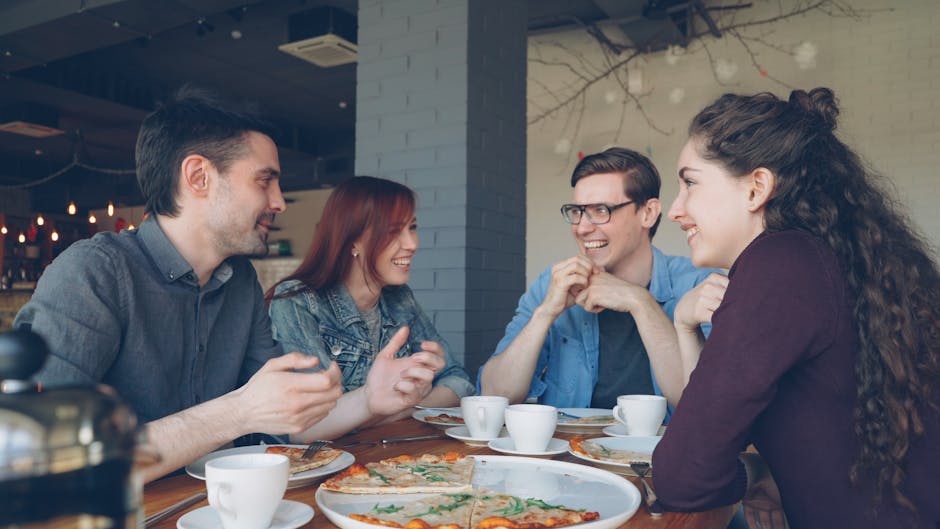
Finally, measure the after-effect. A strong event does not only feel good while it is happening. It leaves you with names you remember, one or two conversations you want to continue, and a realistic next step. Random meetups often struggle here because there are too many loose connections. AI-curated small groups can make follow-up easier because you shared a table, not just a room. After brunch, you might message someone about a museum plan, a Sunday run, a coworking session, or a casual dinner next week. Social quality is not the number of people you met. It is the number of people you would feel comfortable seeing again.
A practical decision framework for expats, nomads, and busy adults
If you are deciding what to try this weekend, use a simple rule: choose random meetups when your goal is discovery, and choose AI matching when your goal is connection quality. Discovery means you want novelty, variety, and the possibility of being surprised by a scene. Connection quality means you want a better chance of comfortable conversation, shared context, and follow-up. Neither goal is superior. They are different modes. A healthy social calendar can include both. For example, you might attend one curated brunch every weekend and one random cultural event each month. That gives you stability without closing the door to chance.
- Choose AI matching if you are new in the city, tired of large events, looking for adult friendships, or trying to rebuild social life after a breakup, relocation, job change, or remote-work isolation.
- Choose random meetups if you have high energy, want to explore a hobby scene, don’t mind uneven conversations, or enjoy approaching people without a structured format.
- Choose small groups if you want people to remember your name, hear your stories, and make follow-up feel natural.
- Avoid any event if the purpose is unclear, the organizer ignores safety, the venue is too loud for conversation, or the community feels like a sales funnel disguised as friendship.
For digital nomad friendships, the best strategy is repetition. One event rarely changes your life. The magic comes from becoming familiar. If you attend a small brunch in Berlin this weekend, a coworking coffee in Amsterdam next month, and a Sunday walk in London later, you begin to train your social rhythm. You learn how to introduce yourself without sounding rehearsed. You learn which questions open people up. You learn who shares your pace. AI can help with the first table, but friendship still needs human effort: remembering details, sending the follow-up text, suggesting a plan, and showing up again when it would be easier to stay home with Netflix.
Cost also matters. Many adults compare events by ticket price, but the hidden cost is time and energy. A free random event that leaves you drained may be more expensive than a $20 or $35 curated brunch that introduces you to people you genuinely want to see again. In cities like New York, London, Sydney, and Singapore, your weekend hours are valuable. If you spend them in rooms that don’t match your needs, socializing starts to feel like work. A well-designed AI social platform should save energy, not add another layer of admin. The ideal experience feels like a thoughtful friend made the plan and all you had to do was arrive.
FAQ: AI matching, random meetups, and offline friendship
Is AI matching only for dating?
No. Dating apps made algorithmic matching famous, but the same broad idea can support friendship when the design is different. Friendship matching should avoid swipe culture, attractiveness ranking, and pressure to pair off. The goal is not romantic selection. It is better group composition. For platforms like The Weekend Club, AI can help bring together expats, freelancers, nomads, creatives, and remote workers for offline brunches where the focus is conversation, community, and adult friendships.
Can random meetups create real friendships?
Yes, absolutely. Many real friendships start in random rooms. The issue is probability, not possibility. Random meetups can be great when the crowd, venue, and timing happen to work. AI-curated gatherings try to improve the odds by shaping the table before people arrive. If random meetups are like walking through a busy Christmas market and striking up a conversation by chance, AI matching is like being introduced to a small table where there is already enough shared context to begin.
What should I share with an AI social platform?
Share information that helps create a better offline experience: interests, preferred group size, languages, neighborhood range, availability, and what kind of social setting you enjoy. Be cautious with platforms that ask for unnecessary sensitive data or make unclear promises. Good AI matching should feel transparent and useful. It should help you meet compatible people offline, not turn your personality into a score you have to optimize.
The bottom line: better inputs, better tables, still human
Artificial intelligence matchmaking and random meetups are not enemies. They solve different social problems. Random events maximize openness and surprise. AI-curated small group gatherings maximize relevance and reduce social friction. For busy adults, expats, digital nomads, and creatives, the second option can be especially powerful because it respects the real constraints of modern life: limited free time, remote work isolation, city churn, and the desire for friendships that feel natural rather than transactional.
The healthiest approach is to stay open to serendipity while designing for better odds. Let randomness bring novelty into your life, but don’t rely on it for all your social needs. If you want deeper offline socializing, choose formats that make conversation easier, keep groups small, set clear expectations, and support follow-up. AI can choose a promising table. It can’t laugh for you, listen for you, or send the message after brunch. The human part still belongs to you. That is exactly why the best AI social platforms should not replace real-world connection. They should help you reach it faster.