What Introverts Should Know Before a Stranger Meetup: A Low-Pressure Guide

If the phrase ‘meet five new people this weekend’ makes you curious and slightly tired at the same time, you are not broken. You are probably an introvert, a remote worker, an expat, a digital nomad, or simply an adult with a limited social battery. Low-pressure offline socializing is not about becoming louder. It is about creating conditions where conversation feels safer, smaller, and easier to leave on a good note.

This guide is for people in cities like New York, London, Berlin, Amsterdam, Sydney, Singapore, and Tokyo who want more adult friendships but don’t want the emotional roulette of loud parties or endless swiping. Whether you are exploring digital nomad friendships, looking for expat and nomad community, or testing your first small group gathering, the goal is the same: meet people offline without forcing a personality transplant.
Why small offline meetups work better for introverts
Introverts often do well in conversation. The hard part is usually the setup: too many people, too much noise, no clear structure, and the pressure to ‘perform’ socially. A crowded bar after work can feel like a Super Bowl broadcast in your nervous system. A curated brunch with four or five people is different. There is a table, a time frame, food, coffee, and a shared reason to be there.

That structure matters. In a small group, you don’t have to compete for attention. You can listen first, join when you are ready, and let the conversation move naturally across travel, work, coffee, neighborhoods, music, books, or weekend plans. This is why platforms such as The Weekend Club focus on curated offline brunches instead of endless profile browsing. It gives introverts a social container, not another inbox to manage.
Small gatherings also reduce the awkward binary of dating apps and friendship apps: either you click instantly or it feels like a failed interview. In a five-person brunch, one conversation can carry the table while another person warms up. You can connect lightly with several people instead of putting all your hope into one stranger across a table.
Before you go: prepare your energy, not a fake persona
The biggest mistake introverts make before a stranger meetup is trying to become extroverted for two hours. Don’t. The better move is to prepare your energy and reduce decisions. Pick an outfit that feels like you. Check the route. Know the start time, the approximate end time, and how you will get home. If the brunch costs around USD 20 to USD 40, or a similar range in GBP, EUR, or AUD, decide your spending limit before you arrive so money does not become background stress.

Set a realistic social goal. Not ‘make three best friends by Sunday.’ Try one of these instead: learn two names, ask one good question, stay for the full first hour, or exchange contact details with one person if it feels natural. Low-pressure socializing works because the win condition is small enough to repeat.
Use a simple pre-meetup checklist
- Energy: Avoid stacking the meetup after a draining work call or a late night.
- Logistics: Save the venue, transport route, and backup ride option.
- Exit plan: Give yourself permission to leave after the planned time.
- Conversation seeds: Prepare three topics you actually enjoy.
- Recovery: Keep the hour after the meetup free if possible.
Good conversation seeds are specific but not intense. Think: best coffee in your neighborhood, a recent film, a favorite Christmas market, a remote work tool you actually like, your first impression of Berlin or Singapore, or a small travel mistake that became funny later. Avoid opening with heavy personal history, politics, money comparisons, or anything that turns brunch into a debate stage.
During the meetup: use low-pressure conversation moves
You don’t need to be fascinating. You need to be present and easy to talk to. Start with the room: ‘Have you been to this cafe before?’ or ‘What did you order?’ These questions may sound basic, but basic is useful. It lets everyone enter the conversation without needing a perfect story.

Then move one layer deeper. Ask questions that invite stories, not status updates. Instead of ‘What do you do?’, try ‘What kind of work has been filling your week?’ Instead of ‘Where are you from?’, try ‘What city has felt most like home lately?’ These work well for expats, freelancers, and nomads because identity can be complicated. Many people are between places, roles, and routines.
The introvert-friendly rhythm: ask, answer, bridge
- Ask: Start with a question that is easy to answer.
- Answer: When asked back, give a real but short response.
- Bridge: Add one detail that gives the other person something to pick up.
For example: ‘I work remotely in product design, mostly with teams in Europe. I like the flexibility, but I realized I needed more offline connection, which is why I am trying brunch meetups.’ That answer is not long, but it gives people several doors: remote work, Europe, design, loneliness, brunch, trying new things.
If you get overstimulated, use micro-breaks without making it dramatic. Go to the restroom. Step outside for fresh air. Take a slower sip of coffee. Look at the menu for a moment. Introvert social tips often focus on what to say, but regulation matters just as much as language. A calm body makes a better conversation partner.
Red flags, green flags, and how to leave well
Not every meetup will become a friendship, and that is normal. A green flag is when people make space for different speaking styles. They ask follow-up questions. They don’t punish silence. They let quieter people finish a sentence. The group feels curious rather than competitive.
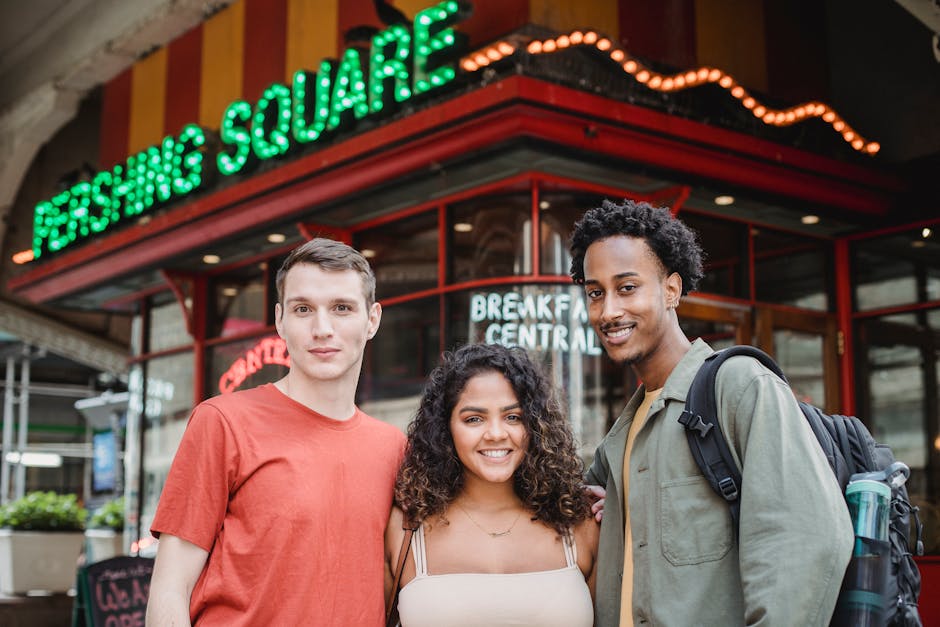
Red flags include one person dominating every topic, pressure to drink more than you want, invasive questions, or a vibe where everyone is networking aggressively instead of connecting. If you feel uncomfortable, you do not need a courtroom-level explanation. Try: ‘I am going to head out, but it was nice meeting you.’ Direct, polite, complete.
Leaving well is a skill. If you enjoyed someone, say it before the moment disappears: ‘I liked talking about Amsterdam coffee spots with you. Want to swap Instagram or LinkedIn?’ If that feels too forward, make it group-based: ‘If anyone wants to try another brunch or a bookstore walk sometime, I would be up for it.’ Adult friendships often start as light invitations, not intense declarations.
After the meetup: turn one brunch into sustainable social momentum
Introverts can enjoy a meetup and still feel tired afterward. That does not mean it went badly. Social energy is not the same as social desire. Build a recovery ritual: walk home, listen to a familiar playlist, take a quiet Sunday afternoon, or do a low-effort task like laundry. This tells your brain that offline socializing has a safe ending.
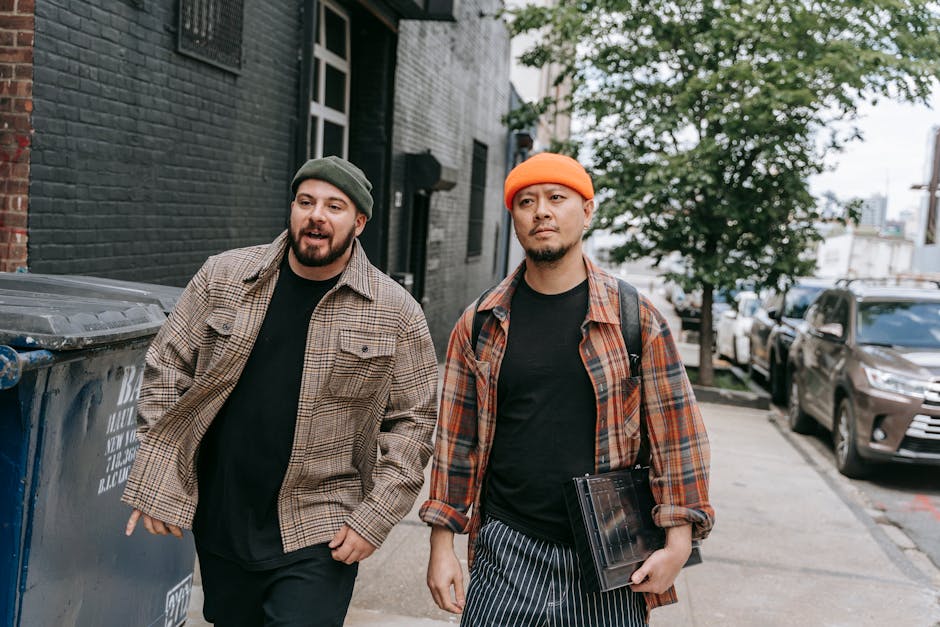
Follow up within 24 to 48 hours if you want to keep a connection warm. Keep it simple: ‘Great meeting you at brunch. I liked our conversation about remote work and London neighborhoods. Want to grab coffee next week?’ Specificity helps. It proves you remember the person, not just the event.
Do not measure success only by immediate close friendship. For expats and nomads, social life is often built through weak ties first: someone who invites you to a Pride picnic, a Thanksgiving dinner, a casual football watch party, a gallery night, or a coworking lunch. Weak ties are not fake. They are the bridges that help a new city become familiar.
The best low-pressure approach is repetition. One meetup is an experiment. Three meetups become data. Six meetups can become a social rhythm. The Weekend Club model of meeting a small curated group every weekend works because it removes the hardest part: deciding who to message, where to go, and how to turn online interest into offline connection.
FAQ: introverts and stranger meetups
Is it normal to feel anxious before meeting strangers?
Yes. Anticipatory anxiety is common, especially if you work remotely or recently moved cities. Reduce uncertainty by checking the venue, setting a small goal, and planning your exit. You can be nervous and still have a good time.
What if I am quiet during the meetup?
Quiet is not a failure. In small group gatherings, listening is part of the social texture. Aim to contribute a few thoughtful comments rather than forcing constant talk. Many people remember feeling comfortable around you more than they remember your exact words.
Are curated brunch meetups better than apps for introverts?
They can be, especially if swiping drains you. Apps like Tinder, Bumble, and Hinge are built around profiles and rapid judgment. A curated offline brunch gives you context, tone, body language, and shared time. For many introverts, that feels more human and less performative.
Introvert socializing is not about becoming the loudest person at the table. It is about choosing better tables. Start with small group gatherings, protect your energy, use simple conversation moves, and let offline connection grow through repetition. If you want digital nomad friendships, adult friendships, or a softer way to meet expats and nomads, low-pressure brunch is a practical place to begin.