Safe Offline Meetup Checklist: Venues, Rules, and Exit Plans

Meeting new people offline is still one of the fastest ways to build real adult friendships, especially if you are an expat, remote worker, freelancer, or digital nomad in a city like London, Berlin, Amsterdam, New York, Sydney, Singapore, or Tokyo. But good social energy should never require ignoring your safety. This safe offline meetup checklist gives you a practical way to evaluate the venue, group rules, host signals, and exit options before you say yes to a brunch, coffee walk, coworking hangout, or small group gathering.
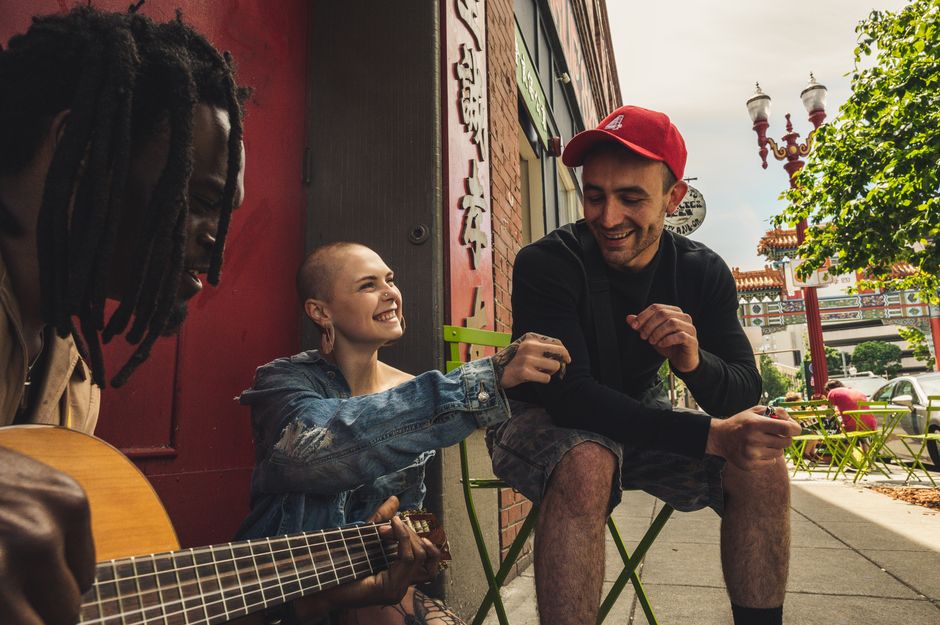
The goal is not to make offline socializing feel scary. It is to make it easier. When safety basics are clear, you can focus on the real reason you showed up: having better conversations, meeting people beyond dating apps, and building a life that does not happen only through screens.
Why offline meetup safety matters more for modern social life
Offline connection has changed. Many people now move cities for work, live alone, work remotely, and meet new friends through apps, online communities, coworking spaces, WhatsApp groups, Discord servers, and event platforms. That makes social discovery easier, but it also means you may attend gatherings where you do not already know the host, the venue, or the other guests.
This is especially true for small group gatherings. A dinner for five, a Sunday brunch table, or a walking coffee meetup can feel more personal than a 100-person networking event. That intimacy is the upside. It creates space for real conversation. It also means the basic safety design matters: the venue should be public, the expectations should be clear, and nobody should feel trapped by politeness.
Offline meetup safety is not only about avoiding extreme situations. It is also about reducing awkward pressure: being pushed to drink more than you want, being asked invasive questions, feeling unable to leave, being photographed without consent, or getting stuck in a private location with strangers. A well-designed social event prevents these issues before they start.
1. Check the venue before you commit
The venue is the first safety filter. For first-time offline socializing, choose public, easy-to-find places with staff, lighting, clear exits, and predictable transport options. A busy brunch cafe, hotel lobby cafe, bookshop cafe, museum cafe, casual restaurant, food hall, or coworking-friendly coffee shop is usually safer than a private apartment, isolated park, random bar crawl, or late-night house party.

Look for venues that are easy to verify online. Check the address, opening hours, reviews, photos, and transit connections. If the meetup is in New York, London, Berlin, Amsterdam, Sydney, Singapore, or Tokyo, the best first-meet locations are usually near major stations, main streets, or neighborhoods with steady foot traffic. You do not need the fanciest place. You need a place where leaving is simple.
Use the public-place rule for first meetings
For a first event, avoid any plan that starts in a private home, hotel room, remote beach, car, or venue that changes at the last minute without a clear reason. If someone says, “Let’s just move this to my place,” you can decline without explaining. A simple line works: “I’m keeping first meetups in public places, but I’m happy to join at the cafe.”
Check time, lighting, and transport
Daytime and early evening events are easier to manage than late-night meetups. Brunch is popular for a reason: it is social, casual, and naturally time-boxed. If the event runs after dark, check how you will get home. Save the address. Know the nearest train, bus, rideshare pickup area, taxi stand, or well-lit walking route. Keep enough phone battery for maps, messaging, and payment.
Watch for last-minute venue changes
A venue change is not automatically a red flag. Restaurants get full. Weather changes. Groups grow. But the new location should still be public, clear, and convenient. If a host changes a coffee meetup into a private afterparty, or moves a group brunch to an address with no public listing, treat that as a reason to pause or skip.
2. Review the host, guest list, and group size
A good host makes safety visible. They do not rely on vague friendliness. They share the time, place, format, expected group size, cost range, and basic behavior rules before the event. They also explain what to do if you arrive late, feel uncomfortable, or need help during the gathering.
For adult friendships, group design matters. Five people at brunch can be ideal because it is small enough for real conversation but not so small that one person dominates. The Weekend Club’s approach of connecting people through curated offline brunch events reflects this idea: socializing works better when the group is intentionally shaped, not left to random swiping or endless chat.
Before attending, ask yourself: Do I know who is organizing this? Is there a platform, community, or host profile behind it? Are the event details consistent? Is the price transparent? Is the tone respectful? If the invite feels chaotic, secretive, or pushy, you do not owe anyone your attendance.
Green flags in a meetup invite
- Clear location: The exact venue or a narrow area is shared before the event.
- Clear format: You know whether it is brunch, coffee, walking, coworking, dinner, or drinks.
- Clear size: The host gives an expected number of people, ideally small enough for conversation.
- Clear cost: You know if it is free, pay-your-own-way, ticketed, or has a minimum spend.
- Clear behavior rules: The host names basic expectations around respect, consent, photos, and no harassment.
- Clear support channel: You know how to contact the host if something feels off.
Red flags to take seriously
- The host refuses to share the exact venue until the last minute.
- The plan starts public but quickly pushes toward a private location.
- The host makes you feel guilty for asking safety questions.
- The group is described as “exclusive” but no criteria or structure is explained.
- There is pressure to drink, flirt, pay upfront, or bring extra people.
- The event has no end time and no obvious way to leave.
Trust patterns, not promises. A charming message does not replace basic structure. If you are new in town, you may feel pressure to say yes to everything. You do not have to. Your social calendar should have standards.
3. Set rules for comfort, consent, and conversation
The safest offline meetups are not silent about rules. They make the invisible stuff clear. People relax when they know what kind of gathering they are joining and what behavior is not okay. This matters for mixed groups of expats, locals, nomads, freelancers, creatives, and remote workers who may come from different cultural norms.

Rules do not need to sound strict. They can be simple: respect personal boundaries, no harassment, no unwanted photos, no pressure around alcohol, no sales pitches, no aggressive flirting, and no sharing someone’s personal details outside the group. These expectations protect everyone, including people who are introverted, new to the city, or attending their first meetup.
Make consent practical
Consent is not only about dating. It applies to photos, touch, contact sharing, personal questions, and follow-up messages. If someone does not want to be in a group photo, that should be normal. If someone does not want to share Instagram, LinkedIn, WhatsApp, or their exact neighborhood, that should also be normal.
A helpful group norm is “ask once, accept the answer.” If someone says no to a drink, a selfie, another venue, or exchanging numbers, the conversation moves on. No jokes. No pressure. No “come on, don’t be boring.”
Keep money transparent
Money can create social pressure fast. Before the event, check whether the bill will be split equally, paid individually, prepaid, or handled by the host. For brunch in major cities, the cost can vary widely: a casual coffee meetup may be under USD 15, while brunch in London, Amsterdam, or New York can easily land around USD 25–45 before extras. In Sydney, Singapore, or Berlin, the range may differ, but the rule is the same: no surprise spending.
If you prefer to control your cost, say so early: “I’ll pay for my own order today.” That is reasonable. A safe group will not shame you for it.
Plan conversation boundaries
Good conversation can be honest without becoming invasive. For a first meetup, avoid pushing people to explain salary, visa details, relationship status, trauma, religion, politics, or family history. If a topic feels too personal, use a redirect: “I’m keeping that private, but I’d love to hear how you found this city.”
Brunch-style prompts work well because they are open but not intrusive: favorite neighborhood coffee spots, best remote work setup, underrated weekend trips, books, films, music, fitness routines, creative projects, Christmas markets, Pride events, Thanksgiving dinners with friends, Super Bowl watch parties, or the best thing someone has discovered since moving.
4. Build an exit plan before you arrive
The best exit plan is one you create before you need it. Leaving should not require drama. It should feel like a normal option. This is the part of the offline meetup safety checklist that many people skip because they do not want to seem suspicious. Do it anyway. Safety planning is not rude; it is self-respect.

Start with a time boundary. Decide your soft exit and hard exit before you arrive. For example: “I’ll stay for 90 minutes, and I’ll leave by 3:30.” Time-boxing is especially useful for remote workers and digital nomads who may stack social plans around work calls, travel, workouts, or errands.
Before the meetup
- Share the plan: Send a friend the venue name, address, event time, and host name.
- Keep transport ready: Check your route home before you enter the venue.
- Charge your phone: Bring a power bank if you will be out all day.
- Limit valuables: Bring what you need, not everything you own.
- Set a check-in: Ask a friend to expect a message at a specific time.
- Use your own arrival: Avoid being picked up by someone you just met.
During the meetup
- Keep your drink and bag in sight: Basic, but important.
- Stay aware of exits: Notice the door, staff area, and restroom location.
- Do not over-explain discomfort: You can leave without building a court case.
- Ask staff for help if needed: Cafes, restaurants, and hotel lobbies often have people who can assist.
- Use neutral exit lines: “I need to head out now,” “I have another commitment,” or “Thanks, I’m going to call it here.”
After the meetup
Do a quick debrief. Did you feel respected? Did the host manage the group well? Did anyone ignore boundaries? Did the event match its description? Would you attend again? Your body often gives you useful data before your brain explains it. If you felt tense the whole time, note that. If you felt relaxed, energized, and unpressured, that is also data.

If someone follows up and you are not interested in staying connected, keep it short: “It was nice meeting you, but I’m not looking to continue the conversation. Take care.” You do not need to soften every boundary into a friendship offer.
A practical checklist for safe offline socializing
Use this checklist before your next brunch, coffee meetup, coworking hangout, walking group, or small dinner. You do not need every item to be perfect, but the basics should be solid.
Venue checklist
- The location is public, staffed, and easy to find.
- The address is shared before the event.
- The venue has good lighting and visible exits.
- Transport home is available and not dependent on another guest.
- The meetup is at a reasonable time for a first gathering.
- Any venue change still keeps the event public and convenient.
Host and format checklist
- The host or platform is identifiable.
- The event purpose is clear: brunch, coffee, conversation, networking, coworking, or activity.
- The expected group size is stated.
- The cost is transparent.
- There is a basic code of conduct.
- There is a way to contact the host during the event.
Personal safety checklist
- You have shared the plan with someone you trust.
- Your phone is charged.
- You know how you will leave.
- You have a soft exit time and a hard exit time.
- You are not relying on a stranger for transport.
- You feel free to say no to photos, drinks, follow-ups, or venue changes.
Social comfort checklist
- The group does not pressure people to drink, flirt, or overshare.
- People can choose how much personal information to reveal.
- Photos are opt-in.
- Contact sharing is optional.
- The conversation leaves space for quieter people.
- The event feels like social connection, not a sales funnel or dating trap.
This checklist is useful whether you are joining offline socializing through an app, a coworking space, a friend-of-a-friend invite, a professional community, or an AI-curated brunch platform. The safest events make it easy to join, easy to participate, and easy to leave.
FAQ: Safe offline meetups and small group gatherings
Is it safer to meet one-on-one or in a small group?
For first meetings, small group gatherings are often safer and more socially comfortable than one-on-one meetups. A group of four to six people creates more conversational options, lowers romantic pressure, and makes it easier to step away if the vibe is not right. One-on-one meetups can be great later, once trust is established.
What should I do if a meetup moves to a second location?
Pause before agreeing. Ask where, why, and who is going. If the second location is another public place nearby, such as a cafe, restaurant, bookstore, or event space, you can decide based on your comfort. If it is a private apartment, hotel room, car ride, or unclear address, it is fine to decline. Use a simple line: “I’m going to head home, but enjoy.”
How can platforms make offline events safer?
Platforms can help by curating group size, setting clear event formats, choosing public venues, publishing behavior expectations, offering host support, discouraging harassment, and making feedback easy after the event. Technology should not replace personal judgment, but it can create better defaults. That is especially important for expats, nomads, freelancers, and creatives who use digital tools to build real-world friendships.
Safe offline socializing is not about being paranoid. It is about designing better conditions for trust. When the venue is public, the rules are clear, the group is small, and your exit plan is ready, you can show up with more confidence. Save this safe offline meetup checklist before your next brunch, coffee meetup, or curated social event, and use it as a filter for the kind of adult friendships you actually want to build.