
How to Choose Social Activities That Actually Fit Your Life
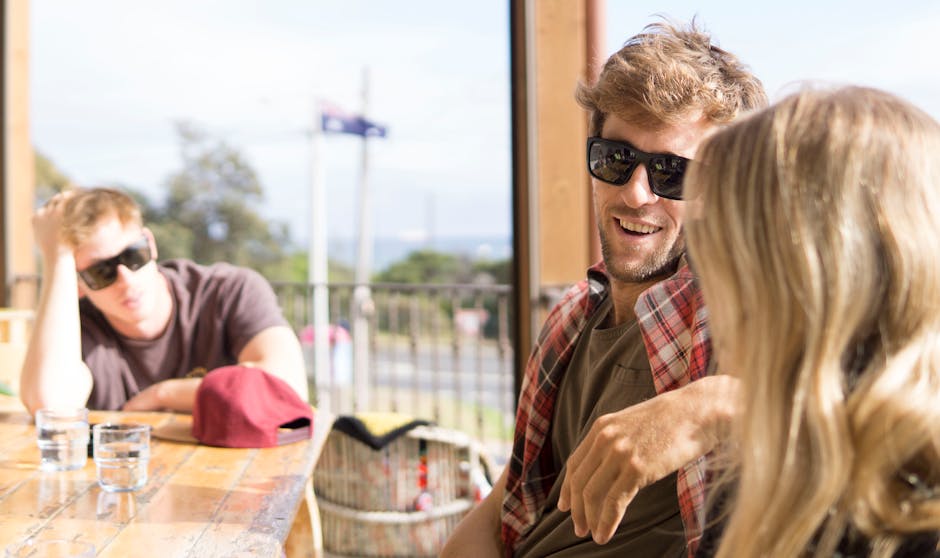
Choosing the right social activities is less about becoming more outgoing and more about designing a social life that fits your real energy, schedule, and goals. If you work remotely in London, move between Berlin and Amsterdam, freelance from Singapore, or just landed in New York with a half-empty calendar, the question is not simply where can I meet people? The better question is: what kind of connection am I actually trying to create, and what setting makes that easiest?
Most people pick events backward. They see a popular meetup, a crowded networking night, a language exchange, a dating app prompt, or a colleague’s invitation and decide on the spot. Sometimes it works. Often it doesn’t. You leave with three LinkedIn connections, one vague promise to grab coffee, and the feeling that socializing is more exhausting than it should be. This guide gives you a cleaner framework: choose by purpose, frequency, participation level, group size, cost, and follow-up potential. It is written for adults who want real offline socializing, not another inbox full of unread messages.
Start With Your Purpose: What Do You Want This Activity to Do?
Before comparing formats, name the job you want the activity to perform. Social activities can serve very different purposes. One person wants close adult friendships after moving to Sydney. Another wants digital nomad friendships that can survive changing cities. Someone else wants creative collaborators, casual weekend company, a softer alternative to dating apps, or simply a reason to leave the apartment after a week of video calls. If you do not define the purpose, you will judge every event by the wrong metric.
A useful test is to finish this sentence: I want to meet people who could become _____. Your answer might be weekend friends, dinner companions, running partners, co-founders, travel buddies, local guides, creative peers, or emotionally supportive friends. Each answer points to a different social design. A loud Friday night mixer is fine for quick introductions, but weak for deeper conversation. A four-hour workshop can create shared memory, but may be too intense if you only want casual company. A curated brunch with five new people can be ideal when your purpose is low-pressure conversation and repeatable connection.
Use the outcome, not the label
Labels can mislead. A networking event may produce genuine friends. A brunch can lead to a work collaboration. A dating-adjacent app can become a social crutch without creating community. Instead of asking whether an activity sounds impressive, ask what it makes easy. Does it make it easy to talk for more than ten minutes? Does it give everyone a reason to participate? Does it attract people with compatible rhythms? Does it leave room for a second meeting? The best activity is not the one with the biggest crowd. It is the one that repeatedly creates the type of interaction you want.
Match the Format to Your Energy, Personality, and Social Bandwidth
There is no universally best way to meet people. There are only formats that match or mismatch your current bandwidth. Large parties can feel exciting if you are socially charged and comfortable entering conversations cold. They can feel brutal if you are tired, introverted, new to the city, or unsure how to exit gracefully. One-to-one coffee can be meaningful, but it also puts pressure on chemistry. Small group gatherings sit in the middle: enough people to reduce pressure, few enough for real conversation.
Think of social formats as having different levels of friction. Low-friction formats include brunch tables, walking groups, board game afternoons, gallery visits, and coffee meetups where a host or structure helps the conversation begin. Medium-friction formats include workshops, supper clubs, volunteer shifts, and sports sessions where participation requires a bit more commitment. High-friction formats include open networking events, nightlife, large conferences, and unstructured meetups where you must constantly introduce yourself. None are bad. The mistake is choosing a high-friction activity when you need a low-friction entry point.
Why small groups often work better for adult friendships
Adult friendships grow through repeated, relaxed contact. That is why small group gatherings are powerful. In a group of four to six people, you can listen without disappearing, speak without performing, and notice who shares your humor, lifestyle, or curiosity. The conversation can move from work to travel to coffee rituals to Christmas markets to the strange etiquette of remote work without becoming a pitch session. For expats and nomads, this matters because you often need connection that feels local quickly, but not forced.
Small groups also create social proof. If you are meeting five new people at brunch, you do not have to decide instantly whether one person is your new best friend. You can enjoy the table, notice natural alignment, and follow up with the people who felt easy. This is one reason The Weekend Club focuses on curated offline brunch events rather than endless swiping. The format is human-centered: people meet in real life, around food and conversation, with enough structure to reduce awkwardness and enough openness to let chemistry emerge.
Choose a Frequency You Can Actually Maintain
A social life is built by cadence, not intensity. Many people try to fix loneliness with one big event, then disappear for six weeks. That pattern rarely works. Friendship needs familiarity. You do not need to go out every night, and you do not need to become the mayor of every meetup in town. But you do need a frequency that gives connection a chance to compound. For most busy professionals, one intentional social activity per week is more realistic than three spontaneous plans that keep getting canceled.
Start with your calendar honestly. If your workweek involves late calls with clients in another time zone, a Tuesday night event may be doomed. If you travel often, a weekly league might create guilt instead of momentum. If your weekends are open but unstructured, a recurring Saturday or Sunday brunch can turn empty time into a repeatable social ritual. The goal is not maximum attendance. The goal is a rhythm you can keep even during a messy month.
The three-frequency model
Use a simple three-level model. Low frequency means one to two social activities per month. This works if you are overwhelmed, new to offline socializing, or rebuilding confidence. Medium frequency means one activity per week. This is the sweet spot for many remote workers, freelancers, and expats because it creates steady exposure without draining the week. High frequency means two or more activities per week. This can work during a relocation period, a creative season, or a life reset, but only if you protect recovery time.
Budget belongs in this decision too. A $12 coffee walk, a $25 community brunch, a $45 workshop, and a $90 supper club create very different expectations. If you want consistency, do not choose a format that feels financially annoying every time you book it. In New York or London, social spending can quietly become a second rent. In Berlin, Amsterdam, Sydney, Singapore, and Tokyo, the cost can vary widely by neighborhood and format. Pick activities you can repeat without resentment.
Evaluate Participation: Will You Be a Spectator or a Real Person in the Room?
Participation is the most overlooked factor in choosing social activities. Some events put you in a room with people but do not actually help you connect. You stand near a bar, check your phone, wait for an opening, and leave with the same emotional state you brought in. Other events invite participation naturally. You share a table, answer a prompt, work on a project, take a walk, cook together, play a game, or discuss a topic. The more the setting gives people permission to interact, the less you have to perform confidence.
Look for three participation signals before you commit. First, is there a host, facilitator, or clear structure? This matters because structure lowers the burden on individuals. Second, is the group size visible? If the event says 80 people and no agenda, expect shallow interaction. If it says five to eight people over brunch, you can expect more speaking time. Third, is there a shared activity beyond attendance? Food, walking, art, sport, books, or a guided question can all turn strangers into participants.
Red flags and green flags
Red flags include vague descriptions, no host presence, unclear pricing, overly aggressive networking language, a heavy focus on status, or a format where newcomers must break into existing friend groups. Another red flag is any event that promises instant best friends. Real friendship is not instant. It is made easier or harder by the container. Green flags include clear expectations, small group size, inclusive language, a simple arrival process, reasonable timing, and an easy next step after the activity.
Safety is part of participation too. Choose events in public places, especially when meeting strangers. Check whether the organizer has a visible identity, consistent reviews, or a clear communication channel. If you are using an app, look for moderation, transparent matching logic, and a way to report issues. Human-centered design is not just a brand phrase. It means people are treated as people, not profiles, leads, or swipe inventory.
A Practical Decision Framework for Your Next Weekend
When you are deciding what to join this weekend, use a quick scoring system. Rate each option from one to five on purpose fit, energy fit, frequency fit, participation design, and follow-up potential. A Pride picnic, a Christmas market walk, a Super Bowl watch party, a design workshop, a coffee tasting, and a curated brunch may all be good options, but not for the same person on the same weekend. The scoring system keeps you from choosing based only on hype.
Purpose fit asks whether the activity attracts people you genuinely want to know. Energy fit asks whether you can show up as yourself, not a theatrical version of yourself. Frequency fit asks whether the activity could become part of your rhythm. Participation design asks whether the event helps conversation happen. Follow-up potential asks whether there is a natural reason to meet again. If an event scores high on all five, it is worth trying. If it scores low on participation, be careful, even if it looks popular on social media.
Here is a simple example. A large rooftop mixer might score high on novelty but low on participation and follow-up. A hobby class might score high on shared activity but low on frequency if it is expensive or far away. A small group brunch might score high on energy fit, participation, and follow-up because everyone is there for the same reason: to meet new people offline in a relaxed setting. That does not mean brunch is always the answer. It means the format matches a common modern problem: adults want connection, but they do not want to audition for it.
The 24-hour follow-up rule
The activity is only half the choice. The other half is what you do afterward. Within 24 hours, send one low-pressure message to one or two people you genuinely enjoyed. Mention something specific: the book they recommended, the Berlin coffee place they love, the remote work tool they hated, the Sunday market they mentioned, or the movie you both quoted. Then suggest one simple next step. The best follow-up is not dramatic. It is concrete, easy, and soon.
For example: I liked our conversation about working across time zones. Want to grab coffee next week? Or: You mentioned that photography walk on Sunday. If you go, I would join. This is how digital nomad friendships and expat friendships become real instead of temporary. The first meeting creates permission. The second meeting creates possibility. The third meeting starts to feel like friendship.
FAQ: Choosing Social Activities Without Wasting Your Weekend
How do I know if I should choose a small group or a large event?
Choose a small group if you want deeper conversation, lower pressure, and a better chance of remembering people afterward. Choose a large event if you want variety, novelty, or a quick scan of a scene. If you are new to a city, introverted, or tired from remote work, small group gatherings are usually a better first move because they reduce the need to self-promote.
How often should I attend social activities if I want real friends?
Aim for one intentional offline activity per week for eight to twelve weeks. That is enough repetition to build familiarity without overwhelming your schedule. If that feels too much, start with twice a month and focus on follow-up. Friendship grows faster when you see compatible people again, not when you keep meeting new strangers forever.
Are curated social apps better than dating apps for making friends?
They can be, if the app is designed for offline connection rather than endless browsing. Dating apps like Tinder, Bumble, and Hinge can introduce people, but their design often centers on evaluation and one-to-one chemistry. A curated social platform such as The Weekend Club uses a different logic: meet a small group of people offline, share a real table, and let conversation create trust. That format is often better for adult friendships, especially for expats, freelancers, nomads, and creatives.
Final Checklist: Pick the Activity That Makes Connection Easier
Before you book your next event, ask five questions. What purpose am I choosing this for? Does the format match my current energy? Can I repeat this frequency without stress? Will I participate, or only observe? Is there a natural follow-up? If you can answer those questions clearly, you are no longer relying on luck. You are building a social life with intention.
The right social activity does not need to be trendy, exclusive, or packed. It needs to help you become a real person in a real room with people you might want to see again. For many modern adults, especially expats, remote workers, freelancers, creatives, and digital nomads, that means prioritizing offline socializing, small group gatherings, and repeatable weekend rituals. Choose the setting that makes connection easier, then show up often enough for it to work.

