You Don’t Need to Drink to Make Friends: Better Daytime Social Alternatives
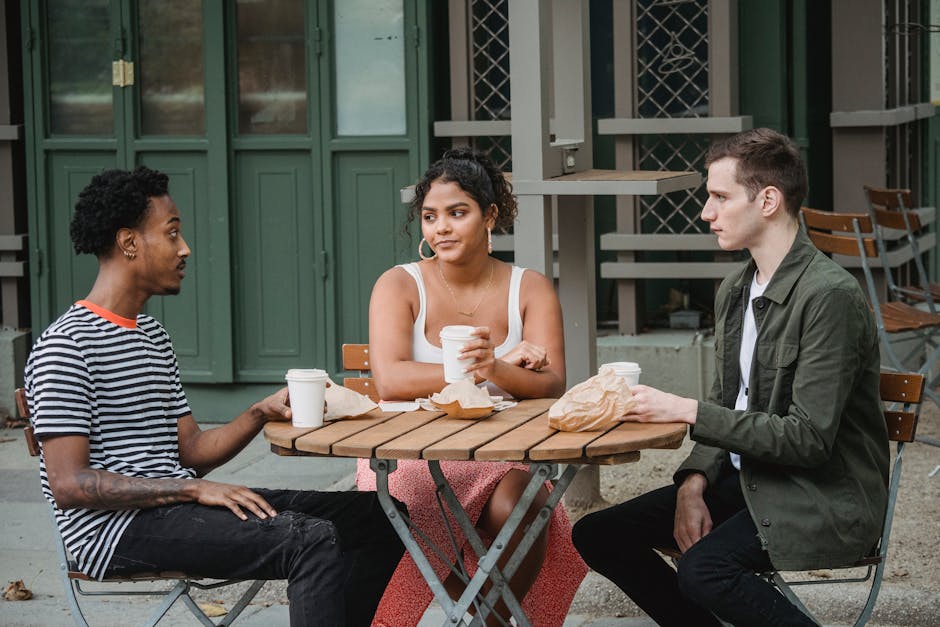
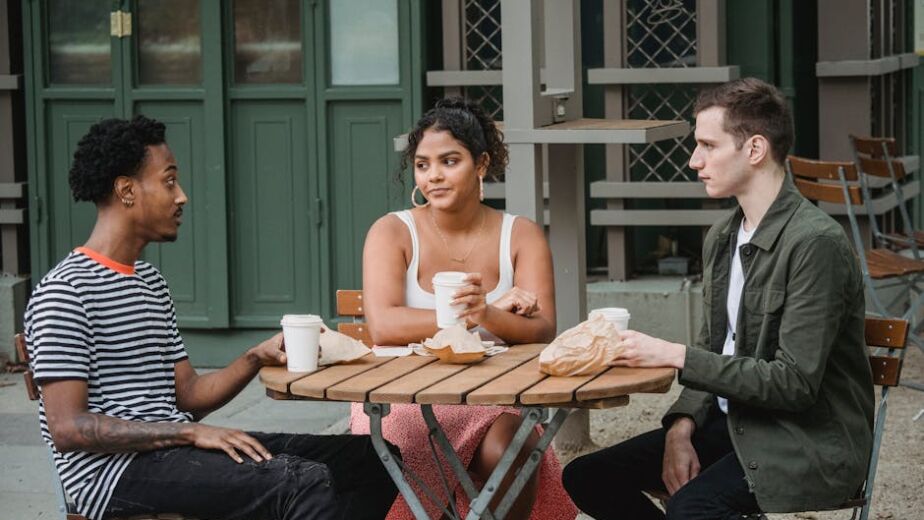
Not every friendship has to start in a loud bar at 11 p.m. For many expats, remote workers, freelancers, and digital nomads, the best social life is built in daylight: over coffee, brunch, a walk, a market, a gallery visit, or a small table conversation where you can actually hear the other person. No-alcohol socializing is not a compromise. It is often a better design for meeting people you might want to see again.
If you have ever moved to New York, London, Berlin, Amsterdam, Sydney, Singapore, or Tokyo, you already know the problem. Work is flexible, your calendar is fragmented, and your friends may live across time zones. Dating apps are not built for platonic connection, and nightlife can feel expensive, draining, or simply not your scene. Daytime social alternatives create a lower-pressure path: more energy, clearer conversations, and fewer awkward exits.
Why No-Alcohol Socializing Works Better for Many Adults
Alcohol can make a room feel easier for the first twenty minutes, but it does not automatically create trust. In fact, it can blur the signals that matter: shared interests, humor, emotional availability, reliability, and whether someone is actually curious about your life. Daytime plans make those signals easier to read.
For internationally mobile adults, this matters. Expats and remote workers often need more than entertainment. They need local orientation, weak ties that can grow, people to message on a Sunday, and a sense that a city is not just a place where they answer Slack messages from a laptop. A coffee walk or brunch table gives everyone a shared structure without turning the meeting into a performance.
There is also a practical benefit: daytime socializing is easier to repeat. A bar night can cost USD 60 to 120 in major cities once you include rides, drinks, food, and tips. A brunch, coffee crawl, museum morning, or park walk can be USD 10 to 40, sometimes less. If you are trying to build adult friendships, repeat exposure matters more than one intense night out.
Better Daytime Alternatives to Bars
The best no-alcohol plans have three traits: they are easy to join, easy to leave, and naturally conversational. You do not need a perfect personality or a huge social battery. You need a format that reduces friction and gives people something to react to.
- Brunch with a small table: Four to six people is ideal. It is large enough to avoid interview energy and small enough for everyone to speak.
- Coffee walks: Pick a route with a clear start and end point. Walking side by side can feel less intense than sitting face to face.
- Weekend markets: Food stalls, design markets, and Christmas markets give people easy prompts: what to try, what to skip, what reminds them of home.
- Museum or gallery mornings: Good for quieter personalities. The art does the heavy lifting when conversation slows.
- Bookstore browsing: Each person picks one book they would recommend and one they would never finish. Instant personality data.
- Coworking lunch swaps: Remote workers can turn isolated workdays into casual offline socializing without losing the whole afternoon.
- Community fitness without the intensity: Yoga in the park, social runs, beginner climbing, or a casual pickleball session can work if the goal is connection, not competition.
Seasonal events also help. A Thanksgiving potluck, a Super Bowl watch brunch, a Pride picnic, a summer outdoor cinema, or a winter market meetup gives people a reason to show up without making the event feel overly personal. The trick is to keep the invite simple: time, place, cost, and what people can expect.
How to Make Brunch Conversations Feel Natural
Brunch is powerful because it sits between a meal and a hangout. It is casual enough for strangers and structured enough for people who do not love open-ended networking. But brunch still needs a little intention. Without it, a table can split into work talk, travel resumes, or the same three questions: where are you from, what do you do, how long are you here?
Use better brunch icebreaker questions
Good brunch icebreaker questions are specific, low-risk, and easy to answer in under a minute. They do not force people to reveal trauma, politics, income, dating history, or religious views. They invite stories, preferences, and small opinions.
- What is a city you liked more than you expected?
- What is your current third place: cafe, gym, library, park, or somewhere else?
- What is one app you use almost every day that is not social media?
- What is a weekend routine that makes you feel like yourself again?
- What is one food you always recommend to visitors?
- If you had a free Saturday in this city, what would you do before noon?
- What is a small cultural difference you noticed after moving here?
- What is a hobby you would restart if you had a beginner-friendly group?
The best follow-up is not a clever line. It is a simple bridge: “What made you choose that?” or “Would you do it again?” This keeps the conversation human. It also helps quieter people contribute without competing with the loudest voice at the table.
A Simple Playbook for Planning Sober-Friendly Meetups
If you are organizing a daytime social plan, make the logistics boring and the interaction warm. People are more likely to say yes when they know what they are walking into. This is especially true for newcomers, solo attendees, and people who have had awkward experiences with unstructured meetups.
- Choose a clear format. “Five people, brunch, 90 minutes” is easier than “maybe we hang out this weekend.”
- Set a realistic budget. Mention an expected range, such as USD 15 to 30, GBP 12 to 25, EUR 15 to 30, or AUD 20 to 40 depending on the city.
- Pick a place with seating and moderate noise. If people have to shout, the event becomes nightlife without the nightlife.
- Use a soft start. Give the first ten minutes to ordering coffee, reading the menu, and settling in.
- Rotate the conversation. Use one shared question at a time so the table does not fragment too early.
- End on time. A 90-minute meetup that ends well is better than a three-hour meetup that fades into phone checking.
- Create one easy next step. Suggest a second plan: a Saturday market, a coworking lunch, or another brunch next week.
Safety matters too. Meet in public places, avoid pressuring anyone to share contact details, and do not make alcohol the hidden default by choosing a venue where the main activity is drinking. Sober-friendly does not mean anti-fun. It means people can opt in without explaining their health, religion, recovery, budget, sleep schedule, or personal preference.
Where The Weekend Club Fits In
The Weekend Club is built around a simple belief: meeting new people should feel intentional, offline, and human. Instead of swiping through profiles or waiting for a friend of a friend to invite you somewhere, you can meet a small group of curated people over weekend brunch. The format is especially useful for expats, remote workers, freelancers, nomads, and creatives who want connection without forcing everything through dating apps or bar culture.
AI can help with matching, but the point is not to automate friendship. The point is to reduce the awkward setup: who to meet, where to go, and how to start. Once people are at the table, the real value comes from presence, curiosity, and conversation. That is why brunch works. It gives adults a repeatable ritual for offline socializing in cities where everyone seems busy but many people are quietly open to meeting someone new.
FAQ: Making Friends Without Drinking
Is it harder to make friends if I do not drink?
It can feel harder if your city’s default social plan is “grab drinks.” But it is not actually harder to build good friendships. Many people prefer brunch, coffee, walks, markets, coworking lunches, and daytime events because they are cheaper, clearer, and less exhausting. The key is to suggest a specific alternative instead of only declining bar plans.
What should I say when someone invites me to a bar?
Keep it simple and confident: “I’m skipping drinks, but I’d be up for coffee or brunch this weekend.” You do not need to explain why. If they are open to connection, they will respond to the alternative. If they only want a drinking partner, that is useful information too.
What is the best first meetup for expats and remote workers?
A small brunch or coffee walk is usually the easiest first step. It works across cultures, does not require special equipment, and gives people a natural time limit. Add two or three brunch icebreaker questions, keep the group small, and choose a venue where people can hear each other. That is often enough to turn strangers into people you would actually meet again.